REVIEW · ISTANBUL
Istanbul: Dolmabahce Palace & Harem Skip-the-Line Entry
Book on GetYourGuide →Operated by Istanbul Tourist Pass® · Bookable on GetYourGuide
Dolmabahçe feels like Ottoman power made visible. This experience pairs skip-the-line e-tickets with 25-language audio guides, so you can move at your pace while still getting context for the palace and Harem.
I especially like the scale: you’re stepping into the largest Ottoman sultan’s palace and one that served as a key headquarters until 1922. I also love the visual punch—Baccarat and Bohemian chandeliers, including the biggest Bohemian chandelier, plus gold details on the ceilings.
One thing to plan for: even with skip-the-line entry, you still face a mandatory security check, and in a few cases QR codes can need help at an on-site desk—so it’s not always a frictionless skip.
In This Review
- Key things to know before you go
- Dolmabahçe and the Harem: why this palace visit feels different
- Entering with e-tickets: how “skip-the-line” really works
- What you actually cover in 2 hours (palace + Harem)
- Dolmabahçe Palace: the Ottoman mega-residence built to impress
- The chandelier and ceiling obsession: Baccarat and Bohemian lighting
- Atatürk’s legacy at Dolmabahçe: why it’s more than Ottoman decor
- Audio guide in 25 languages: best use of your time
- Harem section: when it’s open and when plans change
- Photography rules: what you should and shouldn’t expect
- Price and value: is $55 worth it?
- Who this tour fits best (and who should consider alternatives)
- Practical planning tips (so you don’t lose time)
- Should you book this Dolmabahçe Palace and Harem skip-the-line entry?
- FAQ
- Is a live guide included with this experience?
- How long is the visit?
- What’s included in the ticket?
- How do I get the entry QR codes?
- Can I get the audio guide at the palace?
- What languages are available for the audio guide?
- Is the palace open every day?
- What are opening hours in winter?
- Are there security checks?
- Where is the meeting point?
- Is there free cancellation?
Key things to know before you go
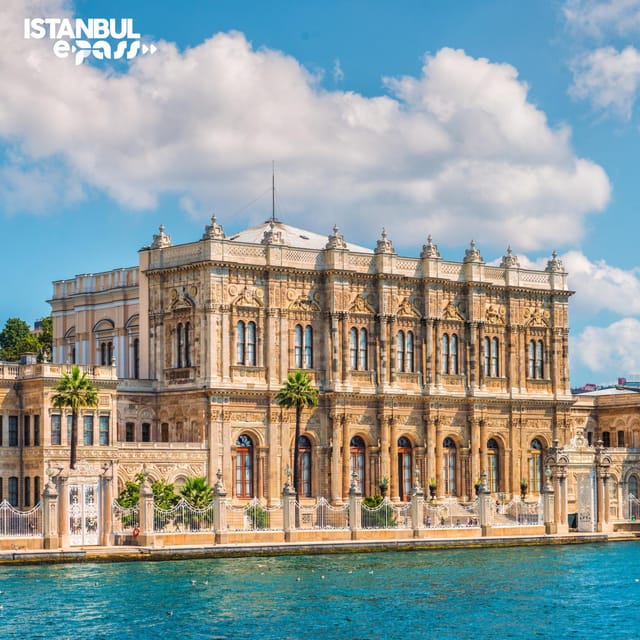
- 1856 opening date: The palace was built on Sultan Abdülmecid I’s orders and opened in 1856.
- Biggest Ottoman palace stop: It’s the grand, final royal residence of the empire’s imperial family.
- Chandelier wow factor: Baccarat and Bohemian chandeliers, including the biggest Bohemian chandelier ever.
- Atatürk connection: You’ll learn about the cherished legacy tied to Turkey’s founder, Mustafa Kemal Atatürk.
- Two attractions in about 2 hours: Palace plus the Harem section, with self-paced exploration and an audio guide.
Dolmabahçe and the Harem: why this palace visit feels different
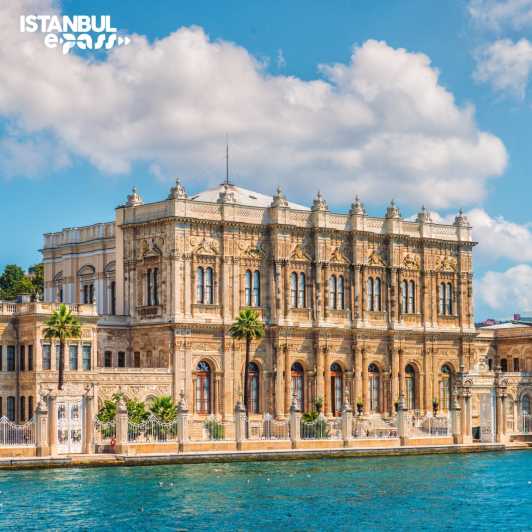
Dolmabahçe Palace isn’t just another “pretty building.” It’s a snapshot of the Ottoman court at its most official—and most theatrical. Walking through, you’ll notice the shift from older imperial styles toward something grander and more European in feel. That contrast is part of why this palace works so well as a standalone visit: you get scale, ceremony, and design choices in one place.
What makes this package especially practical is that it’s built around how you’ll actually experience it on the day. You’re not paying just for access; you’re paying for time and interpretation. With skip-the-line e-tickets for the palace and Harem section and a 25-language audio guide, you can pause for photos outside, step into rooms without rushing, and still understand what you’re looking at.
You can also read our reviews of more tours and experiences in Istanbul

Entering with e-tickets: how “skip-the-line” really works
You’ll receive your entry QR codes by separate e-mail from the supplier (Istanbul Tourist Pass®). That matters because you’ll likely need the QR codes before you reach the correct access point. The audio guide comes separately, too: it’s delivered via a link with your ticket info and can’t be collected at the palace—so make sure you can access your link on your phone before you arrive.
Plan for one more reality check: mandatory security checks are part of the deal for everyone. That’s where delays happen, especially at busy hours. So yes, you’re skipping one major queue, but you still shouldn’t assume you can stroll straight to the entrance like it’s a museum café.
A couple of on-the-ground issues are worth knowing. Some visitors have reported that the QR code didn’t work immediately and required a stop at an information desk to get an actual ticket. In at least one case, the “skip-the-line” experience ended up closer to a normal wait once the desk steps were added. Bottom line: this still tends to save time, but it’s smart to show up early and stay flexible.
What you actually cover in 2 hours (palace + Harem)
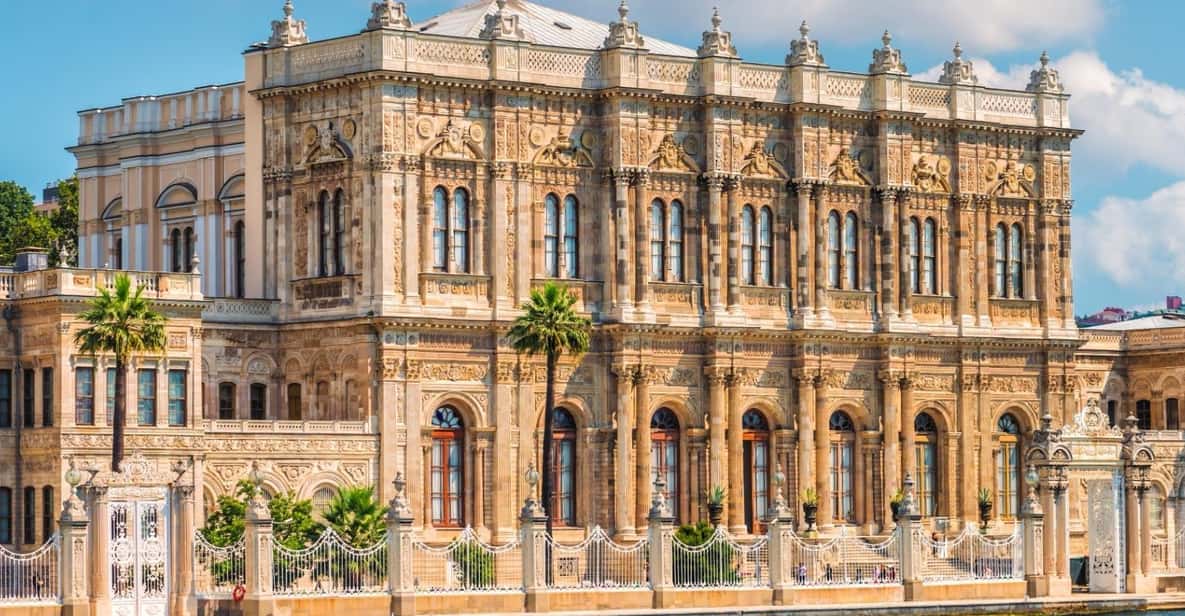
The scheduled duration is 2 hours, which is usually enough time to see the major rooms and get a feel for the design changes without sprinting. In practice, your pace will depend on two things: how long you linger on the chandeliers and ceilings (totally reasonable), and whether you’re using the audio guide actively or just letting it run in the background.
Here’s the practical rhythm you can expect:
- Dolmabahçe Palace rooms: You’ll move through key spaces that show off architecture, decoration, and the overall “imperial residence” mood.
- Harem section: You’ll continue into the Harem area as included, focusing on the layout and the way the palace functioned beyond public ceremony.
You’ll also notice that palace rules can limit what a guide can do inside. Even when a live guide is involved (optional), you might get a brief introduction and then explore on your own. That’s not a deal-breaker if you’re comfortable using the audio guide; it’s just a heads-up if you’re hoping for continuous in-room commentary.
Dolmabahçe Palace: the Ottoman mega-residence built to impress
Dolmabahçe was built by order of Sultan Abdülmecid I and opened in 1856. That date isn’t trivia—it helps you understand the palace’s vibe. This is the Ottoman Empire showing off its wealth, power, and global connections through design.
As you tour, the audio guide helps you connect dots between what you see and what it means. You’ll learn why Dolmabahçe mattered as the last headquarters of the empire’s imperial family, and you’ll hear how it remained in use until 1922.
One of the most useful parts of this visit is the comparison element: you’ll get help understanding the differences between Dolmabahçe and Topkapi—from architectural style to the type of furniture and how rooms feel “built for the moment.” You don’t need to know Topkapi already to benefit. It just gives you a way to spot the palace’s personality rather than treating it as a generic royal interior.
The chandelier and ceiling obsession: Baccarat and Bohemian lighting
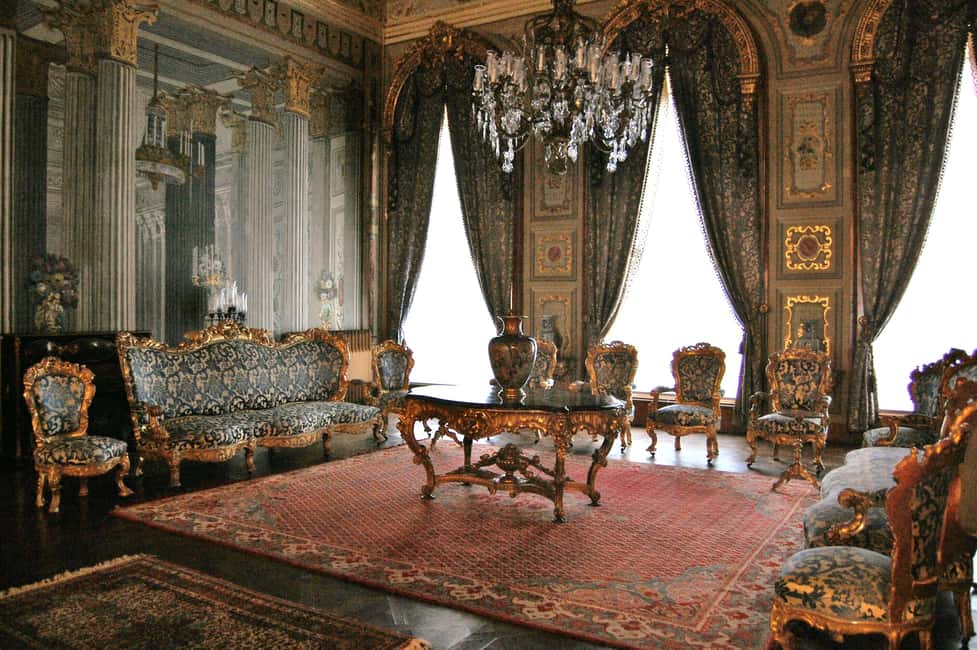
If you only go for one reason, make it this: the chandelier collection is the star. The palace is known for Baccarat and Bohemian chandeliers, including the biggest Bohemian chandelier ever. Seeing that in person changes how you interpret the rooms. You stop thinking of decoration as wallpaper and start seeing it as infrastructure for status.
And it’s not only the lights. The tour content also points you toward the golden detailing, especially on the ornate ceilings. That gold isn’t just flashy. It’s the kind of craftsmanship that helps you understand how imperial design communicated permanence. Even if you’re not a “decorations” person, you’ll likely find yourself pausing here because the scale is hard to describe.




Atatürk’s legacy at Dolmabahçe: why it’s more than Ottoman decor
This experience highlights the cherished legacy of Mustafa Kemal Atatürk connected to the palace. Even if your main interest is Ottoman architecture, this is the part that gives the building emotional weight. It shifts Dolmabahçe from a purely imperial object into a marker of modern Turkish identity.
You’ll get context through the audio guide—how the palace fit into Turkey’s later story, not just the Ottoman one. That mix is helpful if you like your sightseeing to connect past to present without getting heavy-handed.
Audio guide in 25 languages: best use of your time
You get an audio guide in 25 languages, including English, German, Russian, Persian, Arabic, French, Italian, Chinese, Dutch, Spanish, Hindi, Romanian, Ukrainian, Korean, Turkish, Bulgarian, Polish, Swedish, Japanese, Indonesian, Greek, Hungarian, Portuguese, Urdu, and Croatian.
Here’s the smartest way to use it:
- Download or open the audio link before you queue (don’t rely on spotty connections once you’re inside).
- Treat it like a room translator. Pause and listen when you notice details you can’t “guess,” like how certain spaces were intended to function.
- If you start late, don’t feel you need to listen to everything. Hit the audio checkpoints when you’re in the rooms that feel most confusing.
Two important notes from the setup: the audio guide is prepared by Istanbul Tourist Pass and delivered via a link tied to your tickets. And you cannot pick it up at the palace. If you arrive without the link working, your plan becomes “walk around and hope,” which is not what you paid for.
Harem section: when it’s open and when plans change
The Harem section is included, and it’s one of the reasons this visit works as a single stop rather than two separate bookings. You’ll also find a practical break built into the area: there’s a café near the entrance, and one visitor specifically mentioned grabbing something refreshing—like a frozen drink—right before entering the Harem area.
But keep one scheduling reality in mind: the palace is closed on Mondays. And in at least one past experience tied to this type of entry, the Harem wasn’t open on the day of the visit. That doesn’t happen every time, but it’s enough that I’d treat the Harem as “included when open,” not guaranteed no matter what.
Photography rules: what you should and shouldn’t expect
Inside the palace, photos are not allowed. This changes how you enjoy the visit. Instead of taking dozens of pictures, you’ll rely more on your eyes and on the audio guide to remember what mattered. If you love photographing interiors, you’ll want to use your camera for exterior shots and for areas where rules allow.
This also means your best “souvenir” becomes mental: the pattern of ceilings, the chandelier placement, and the feeling of walking through a room designed for protocol.
Price and value: is $55 worth it?
At $55 per person for skip-the-line entry to Dolmabahçe Palace and the Harem section, plus a 25-language audio guide, you’re paying for two things: (1) reduced waiting friction and (2) interpretation that saves you from guessing.
Is it always cheaper than doing things separately? Not necessarily, because prices vary. But value comes from the combination. If you’re going on a day when queues are annoying, the skip-the-line ticket can turn a stressful half-day into a smoother one. And the audio guide is a real add-on here. Without it, Dolmabahçe is still beautiful, but you’ll miss the “why” behind major design choices and the contrasts with Topkapi.
There is a caveat: if your QR code has trouble scanning, or if an on-site desk step is required, the time savings can shrink. Still, for most visits, the setup is designed to reduce time lost at the gate and keep you moving.
Who this tour fits best (and who should consider alternatives)
This is a strong match if you:
- Want a self-paced visit with guided context through audio
- Prefer to avoid long lines while still exploring at your own speed
- Like big, ornate interiors where design details reward your attention
You might choose differently if you:
- Want a live guide inside every room. Even when a live guide is included as an option, palace rules can restrict guide movement, so you may get a short intro outside and then explore on your own.
- Need the tour to run perfectly on a strict schedule with zero uncertainty. Security checks are mandatory, and QR scanning issues can occasionally add a step.
On the guide side (if you choose a private/live option), names that have come up for standout experiences include Ilke, Furkan, Ozzy, and Zey—with praise often tied to clear explanations and patience.
Practical planning tips (so you don’t lose time)
- Bring your QR code access on your phone and keep a backup way to access your e-mail link.
- Check your timing based on closure: the palace is closed on Mondays, and in Nov 1 to Mar 31 the opening hours are approximately 9:00 AM to 4:00 PM.
- Expect a security check. If you arrive right at your entry time, you’ll still feel the pressure.
- Use your 2 hours strategically: don’t spend all of it in the most visually intense rooms. You want enough time to reach the Harem section and still feel relaxed.
Should you book this Dolmabahçe Palace and Harem skip-the-line entry?
I’d book it if you want a smooth, design-focused day that doesn’t require you to become a mini historian before you arrive. The skip-the-line ticket + 25-language audio guide pairing is a practical way to see a major Ottoman-era palace and still understand what you’re looking at—especially in a place as visually intense as Dolmabahçe.
But decide carefully if your visit is on a Monday (closed) or if you’re the type who gets stressed by any QR scanning or desk check. In most cases it saves time, yet a few past issues show it’s not always a zero-friction entry.
If you fit the first group, you’ll probably feel like you “used your time well.” You’ll get the chandeliers, the gold ceilings, the palace architecture, and the Harem section without turning your day into a line-watching exercise.
FAQ
Is a live guide included with this experience?
No. The included option covers skip-the-line entry and an audio guide. A live guide is listed as optional (private guide).
How long is the visit?
The duration is 2 hours.
What’s included in the ticket?
You get a skip-the-line-entry ticket for the Dolmabahce Palace and Harem section, plus an audio guide in 25 languages.
How do I get the entry QR codes?
You receive Entry Ticket QR Codes via a separate e-mail from the supplier (Istanbul Tourist Pass®).
Can I get the audio guide at the palace?
No. The 25-language audio guide is provided via a link with your tickets and cannot be obtained at the palace.
What languages are available for the audio guide?
The audio guide is offered in 25 languages, including English, German, Russian, Persian, Arabic, French, Italian, Chinese, Dutch, Spanish, Hindi, Romanian, Ukrainian, Korean, Turkish, Bulgarian, Polish, Swedish, Japanese, Indonesian, Greek, Hungarian, Portuguese, Urdu, and Croatian.
Is the palace open every day?
No. The Dolmabahçe Palace Museum is closed only on Mondays.
What are opening hours in winter?
From November 1 to March 31, opening hours are approximately 9:00 AM to 4:00 PM.
Are there security checks?
Yes. All visitors must go through a mandatory security check, and waiting times can occur, especially during busy hours.
Where is the meeting point?
The meeting point may vary depending on the option booked.
Is there free cancellation?
Yes—free cancellation is listed, with a full refund up to 24 hours in advance.
If you want, tell me your travel month and whether you’re doing this as an audio-only visit or with an optional private guide, and I’ll suggest a smart time-of-day plan to reduce waiting.