REVIEW · ISTANBUL
Istanbul: Dolmabahçe Palace and Uskudar Guided Tour
Book on GetYourGuide →Operated by ISTANBUL WALKS · Bookable on GetYourGuide
Bosphorus views kick in fast. This 4-hour Istanbul tour pairs Dolmabahçe Palace with a ride that crosses between Europe and Asia, so the scenery starts before the palace does. I especially like the small group size (up to 6)—it keeps the pace human and the guide’s attention more focused.
Inside, you’ll spend real time among the palace rooms and decorative details, then you’ll head to Üsküdar’s Ottoman quarter for mosque visits and a photo break. You also get the chance to pass under the intercontinental bridges and hear the story behind Istanbul’s modern link to its old empire. One thing to consider: the Dolmabahçe Palace visit is swapped on Mondays—if your day is Monday, the itinerary replaces it with the Chora Museum route.
In This Review
- Key points
- First Stop: Getting Oriented in Istanbul’s Europe-to-Asia Route
- Dolmabahçe Palace: Where Ottoman Power Meets European Style
- The practical reality inside
- The Üsküdar Ottoman Quarter: Mosques, Neighborhood Pace, and Photo Breaks
- The Oldest Coffee Shop Stop: A Small Break With Real Atmosphere
- What to do during the coffee stop
- Timing, Pace, and Why the 4 Hours Can Feel Different
- Duration tips you’ll actually use
- What’s Included (and Why It’s Good Value)
- Group Size and Guide Style: The Difference You’ll Feel
- Who This Tour Fits Best
- Should You Book This Dolmabahçe and Üsküdar Tour?
- FAQ
- How long is the tour?
- Is hotel pickup included?
- Does the price include entrance fees and transportation?
- Is lunch included?
- What happens if I book on a Monday?
- Is the tour suitable for wheelchair users?
Key points
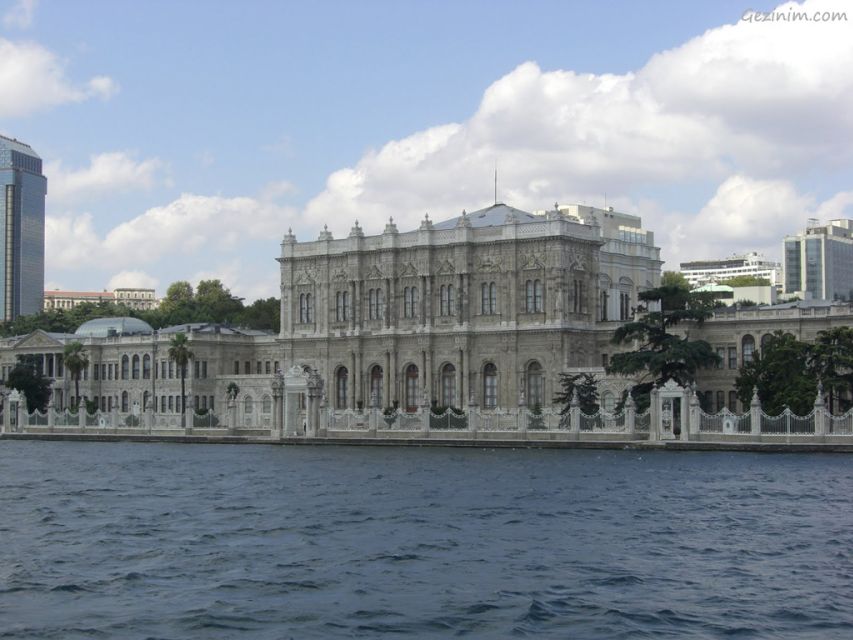
- Dolmabahçe Palace visit with an English live guide focused on the 19th-century Ottoman world
- Bosphorus Bridge facts in the route (built in 1973; 1,074 meters; fourth-longest suspension at the time)
- Üsküdar Ottoman quarter plus mosque sightseeing and a coffee stop
- Small group up to 6 for a more conversational walk
- Hotel pickup in central areas (Taksim, Şişli, Beşiktaş, Sultanahmet, Fatih) with transport included
- Skip-the-ticket-line access to keep your time inside meaningful
First Stop: Getting Oriented in Istanbul’s Europe-to-Asia Route
This tour makes a smart move: it starts with movement. You leave from centrally-located Istanbul hotels, then ride toward the Bosphorus crossings so you can understand where everything sits before you start sightseeing in earnest.
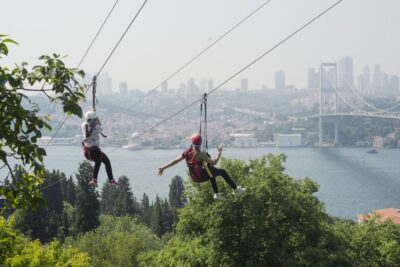
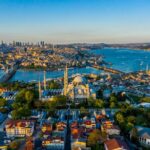
The big moment is the Bosphorus Bridge crossing by vehicle (you pass under it). The bridge was built in 1973 and its span between the two legs is 1,074 meters. At the time, it was the fourth-longest suspension bridge in the world, which helps you connect Istanbul’s modern infrastructure to its constant “between worlds” identity.
That route also sets up the emotional contrast you’ll feel later. One side is the heavy, ceremonial Ottoman-meets-European world of Dolmabahçe. The other side, Üsküdar, gives you a more local rhythm—mosque streets, neighborhood texture, and a slower tempo that pairs well with history.
You can also read our reviews of more guided tours in Istanbul

Dolmabahçe Palace: Where Ottoman Power Meets European Style
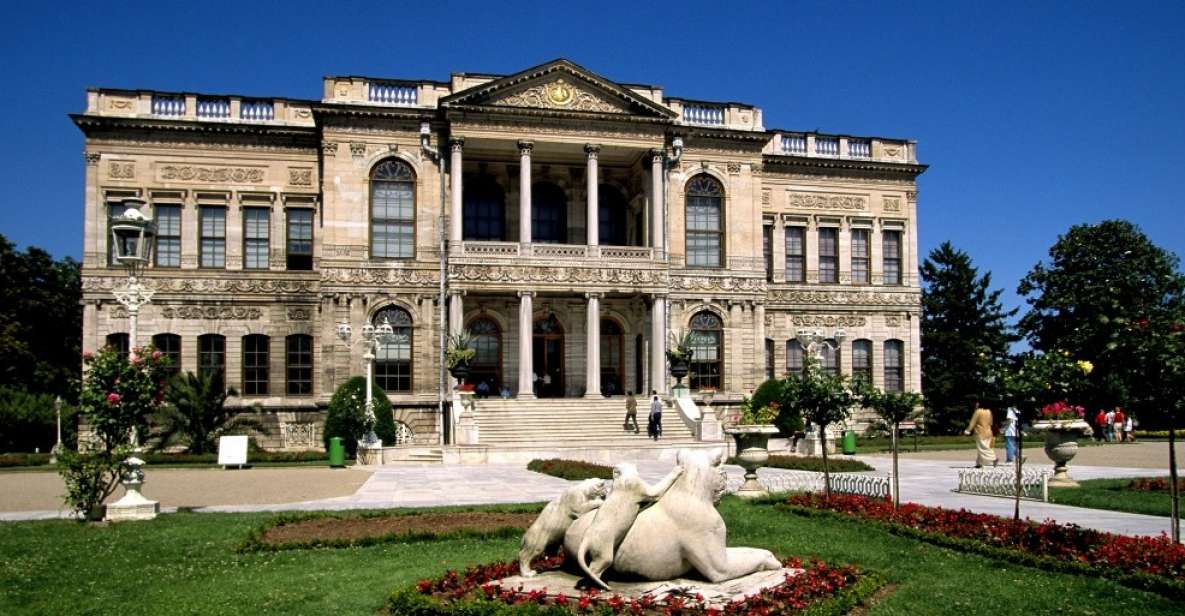
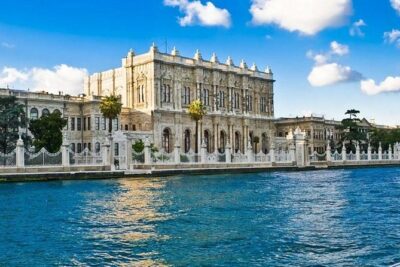
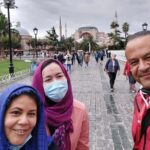
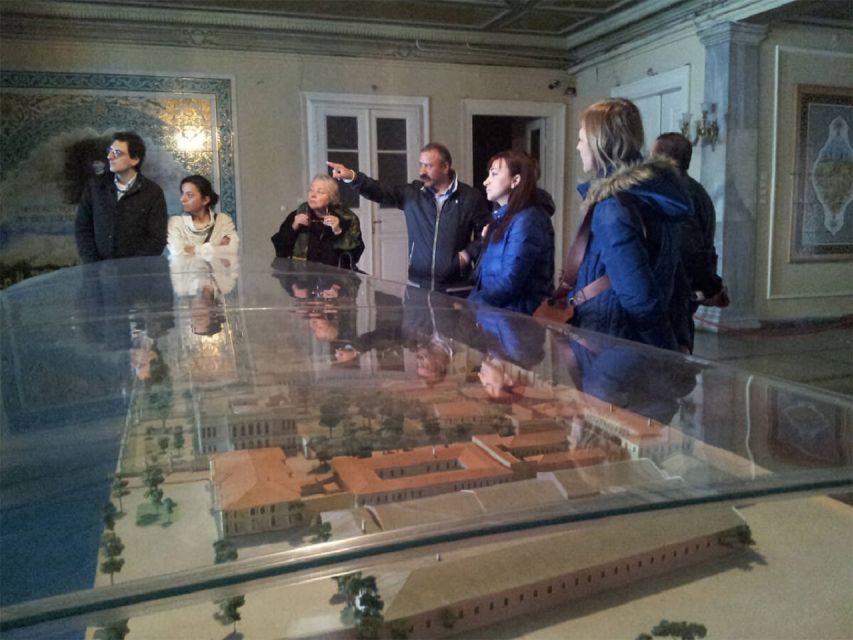
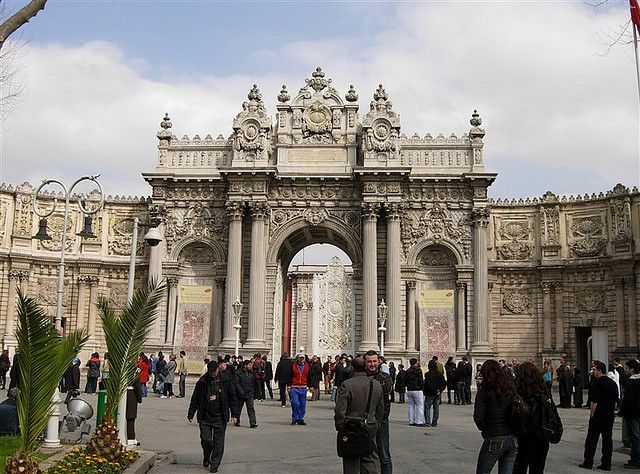
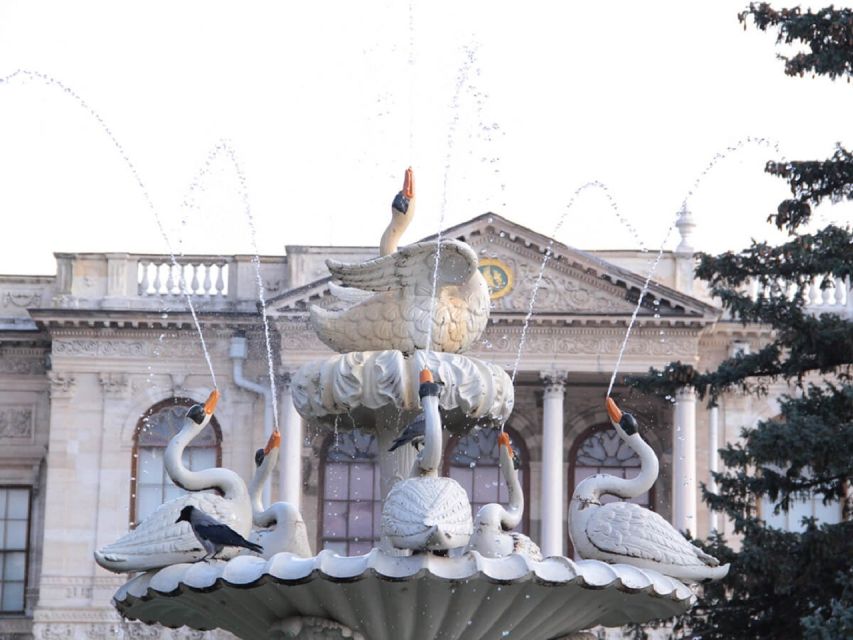
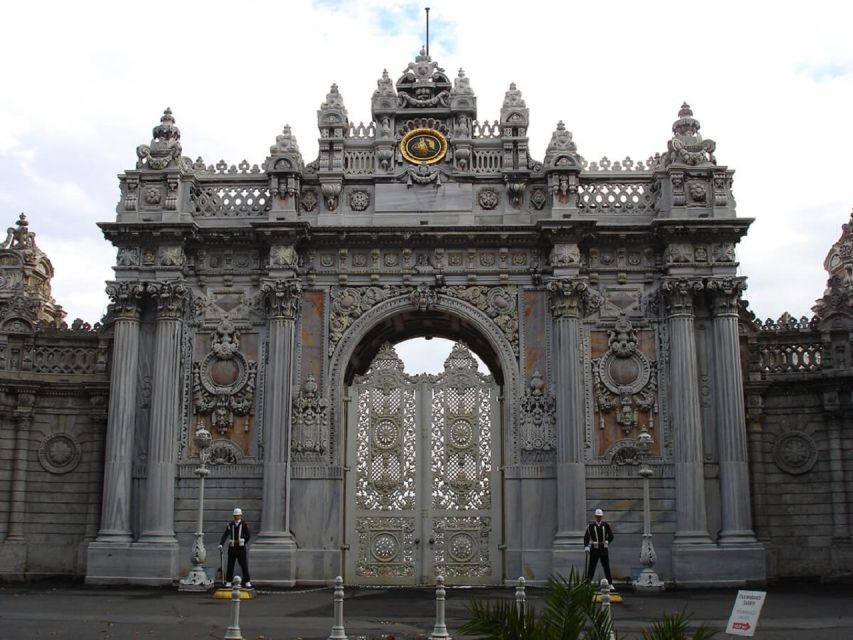
Dolmabahçe is the kind of place that makes your brain do a double take. The palace was commissioned during the reign of Sultan Abdulmecid (1843–1856), and its architecture blends Turkish and French influences. You’ll see that mix in the overall look, the ornamental style, and how the spaces were meant to impress.
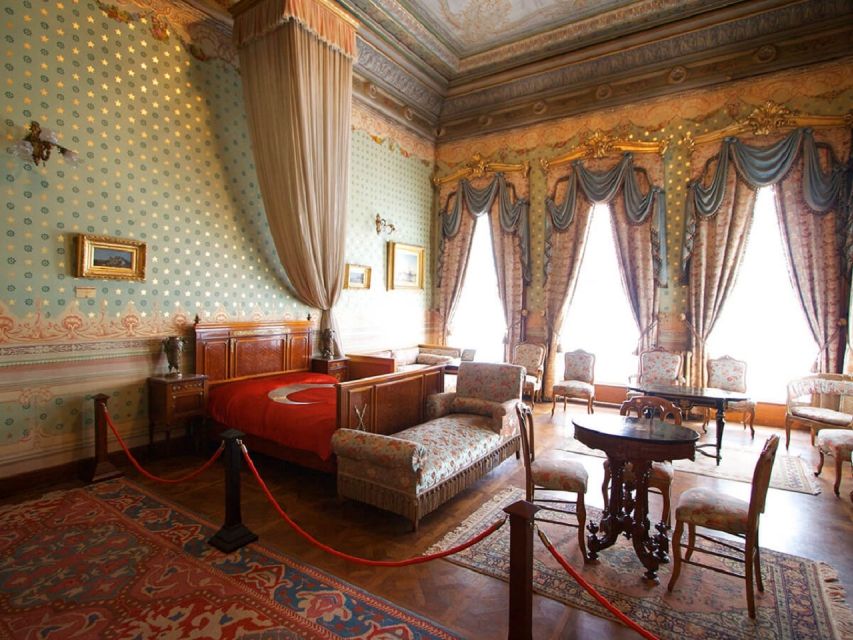
A guided visit matters here. You’re looking at rooms with dramatic ceilings and grand staircases, but you’ll get more out of it when someone explains what you’re seeing and why it was designed that way. The guide is set up for English narration with a focus on the 19th-century Ottoman context.
The palace is often described in big numbers, and those numbers are part of the experience. Dolmabahçe has 285 rooms, 6 baths, and 68 toilets, plus a ceiling made from 14 tons of gold. You don’t have time to catalog every detail, but you’ll get a sense of why this residence reads like theater—political power made visible.
One detail I’d keep in mind as you walk: the palace’s famous crystal staircase is a major moment. Even if you’re not a “royal palace” person, the staircase tends to reset your expectations for what ornate can look like without turning into chaos.
The practical reality inside
Dolmabahçe tours can move differently depending on the day. Some guests end up spending less time in certain areas than they expected, and the guide focus can range from very talkative to more brief. If you want heavy inside-the-rooms commentary, pick your departure day carefully and keep your expectations flexible about timing and which rooms you’ll fully cover.
Also, plan around Monday closures. The palace is closed on Mondays, and on those dates the Dolmabahçe portion is replaced with a Chora Museum visit. If you’re traveling with a tight schedule, check your calendar before you fall in love with one specific building.
The Üsküdar Ottoman Quarter: Mosques, Neighborhood Pace, and Photo Breaks
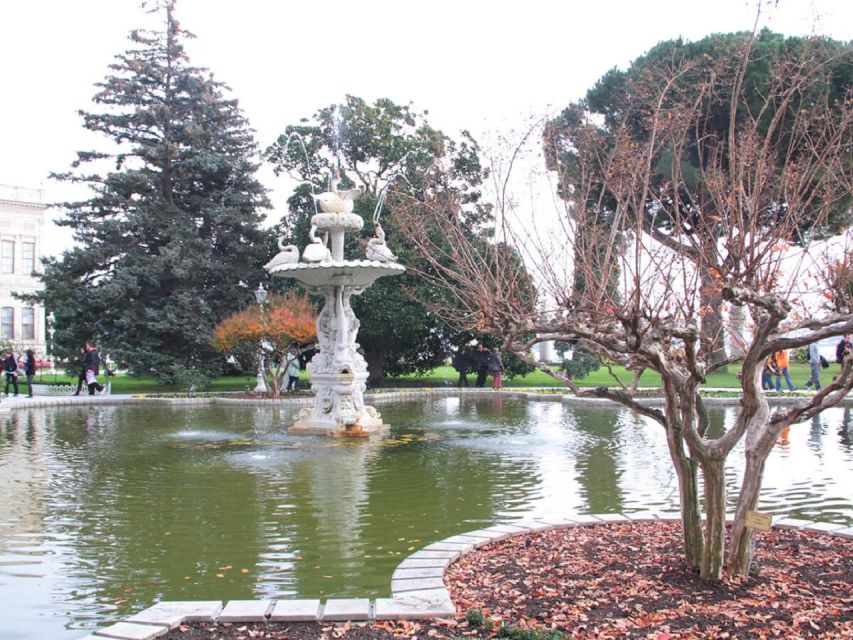
After the palace, the tour shifts gears to Üsküdar. This is where the day becomes less about grand interiors and more about living city texture. The goal is to explore the Ottoman quarter and visit Ottoman mosques in Üsküdar.
You’ll have a photo break as part of the transition, which is useful because the route changes what you can see. It’s easier to appreciate the shift from Europe-side grandeur to Asia-side neighborhood feel when you can pause and reset with a view or a street scene.
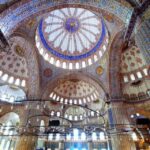
Mosques here aren’t presented as “check one off” stops. In practice, the best guides explain what makes each mosque meaningful—things like how the building sits in its context, and how Ottoman religious architecture shaped local life. I’ve seen guides give especially clear explanations during this part of the day, and it’s often the moment when people feel they learned something they can carry beyond the photos.
If you love photography, this portion usually rewards patience. You’ll get more street-level angles than you’d expect after leaving a palace. If you’re less interested in photos, it still works because you’ll understand the neighborhood logic and the religious landscape as part of the same Istanbul story.
The Oldest Coffee Shop Stop: A Small Break With Real Atmosphere
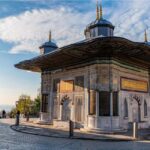
One highlight on this tour is a stop at the oldest coffee shop in Istanbul. This isn’t just a snack break; it’s a chance to slow down and experience Istanbul’s everyday culture in a historic setting.
Coffee traditions here are more than caffeine. Even if you don’t order anything fancy, you’ll feel the sense of continuity—people dropping in, talking, resting, and using the space as a social hub. It’s the kind of stop that helps the day feel less like a checklist and more like a walk through the city.

What to do during the coffee stop
If the group is brief (and this one is capped at 6), the coffee stop can either feel rushed or relaxing depending on the guide. I’d use it to plan your next photo shot and to hydrate, especially if you’re visiting in warm months.
Also, if you have dietary restrictions, keep it simple. The tour doesn’t include lunch, so you might want to treat coffee as your mid-day anchor, not your full meal.
Timing, Pace, and Why the 4 Hours Can Feel Different
On paper, this is a 4-hour tour. In real life, that can vary based on traffic, how long the palace visit takes that day, and how the guide structures the walk.
Some people end up feeling the palace portion ran shorter than expected, while others get a more satisfying pace. The common theme is that guided explanations can’t always be equally detailed across every departure. One guide might focus heavily on the palace rooms, while another might spend more time on the mosques in Üsküdar and the bridge viewpoints.
That doesn’t mean the tour is bad. It means you should treat the tour as a guided route with a few major anchors (palace, Üsküdar, coffee) rather than a timed museum script.
Duration tips you’ll actually use
- Wear comfortable shoes. You’ll walk enough that you’ll feel it by the end.
- Keep your phone battery ready. Bosphorus views and mosque streets are photo-friendly.
- Go in expecting narration that may vary by guide. The small group helps, but it can still depend on how the day unfolds.
What’s Included (and Why It’s Good Value)
This tour includes guided service, entrance fees, hotel pickup and drop-off, and transportation. It also includes skip-the-ticket-line access.
That matters more than it sounds. Without those inclusions, you’d be stitching together several separate tickets, transit steps, and waiting time. Here, the bundle reduces friction, so you spend more time at the actual sights.
Price is listed as $354 per person for a 4-hour, English-language, small-group outing with transport. That’s not cheap, but it’s not random pricing either. You’re paying for four things that cost money in Istanbul: pickup in central districts, a live guide, entrance fees, and transport between sides of the Bosphorus.
In other words: you’re buying time and coordination. If you’d rather avoid complicated logistics, this format can feel like good value.
If you do the math, also remember lunch isn’t included. So you’ll likely need a post-tour meal plan.
Group Size and Guide Style: The Difference You’ll Feel
This is a small group, limited to 6 participants. That’s one of the most practical strengths of the tour. Smaller groups make it easier to hear the guide, ask questions, and keep moving without feeling like you’re being herded.
You’ll also notice guide style differences. Some guides are able to get you in ahead of crowds, and they can be very helpful with context. I’ve seen references to guides such as Mr Furkan Sari delivering clear explanations about Turkey’s history and helping people enjoy the tour more.
At the same time, not every guide communicates at the same depth. If you’re the type who wants a lot of room-by-room detail inside Dolmabahçe, you’ll want to choose a departure time that fits your expectations and stay flexible about the pace.
Who This Tour Fits Best
This is a great fit if you want:
- A guided look at Dolmabahçe Palace without losing time to ticket lines
- The Bosphorus crossing as more than a view—treated as a story beat in the day
- Üsküdar’s Ottoman neighborhoods and mosque visits rather than just shopping-time Istanbul
It may be less ideal if you want:
- A long, slow palace exploration where every room gets a deep explanation
- A fully accessible route. The tour isn’t suitable for wheelchair users, and it also forbids luggage or large bags.
If you love architecture but also like real neighborhoods, you’ll probably enjoy the mix. If you’re only chasing “top sights” and want maximum time in one building, you might prefer a longer stand-alone palace visit.
Should You Book This Dolmabahçe and Üsküdar Tour?
I’d book it if you want an organized, small-group Istanbul day that links the palace to the city around it. The combination of Dolmabahçe, the Bosphorus crossing, Üsküdar mosques, and that old coffee stop creates a route that feels like Istanbul—not just a single monument.
I’d hesitate if your priority is maximum time inside Dolmabahçe with extensive interior commentary, or if your date is Monday and you’re determined to see only the palace itself. In that case, check how the Monday substitution to Chora Museum changes your must-see list.
FAQ
How long is the tour?
The tour lasts 4 hours.
Is hotel pickup included?
Yes. Pickup is available from centrally-located hotels in areas including Taksim Square, Şişli, Beşiktaş, Sultanahmet, and Fatih.
Does the price include entrance fees and transportation?
Yes. Entrance fees and transportation are included, along with a guided tour and hotel pickup/drop-off.
Is lunch included?
No. Lunch isn’t included.
What happens if I book on a Monday?
Dolmabahçe Palace is closed on Mondays, so the palace visit is replaced with a Chora Museum visit.
Is the tour suitable for wheelchair users?
No. The tour is not suitable for wheelchair users.