REVIEW · ISTANBUL
Istanbul: Ancient Town of Constantinople Guided Tour
Book on GetYourGuide →Operated by ISTANBUL VOYAGE TRAVEL · Bookable on GetYourGuide
Five hours in Istanbul, and empires rush by. I like the small-group pace and the skip-the-ticket-line help at the big landmarks. One catch: lunch and any museum entrance fees are on you.
After hotel pickup by minivan (from Taksim, Sultanahmet, Fatih, and Besiktas), you’ll travel with a licensed official guide and a group capped at 10. The tour runs 5 hours, with Spanish, English, French, or Italian guide options depending on your date.
You’ll hit the main visual hits of ancient and Byzantine Istanbul—Hagia Sophia, the Blue Mosque, plus a stop for a Roman-era underground cistern and an unmissable Grand Bazaar walk. Doable, but it’s a lot of walking, so bring comfortable shoes and plan for mosque rules.
In This Review
- Key highlights to know before you go
- Price and value: is $125 fair for this 5-hour combo?
- Getting around: pickup zones and how the minivan changes your day
- The route that packs a lot in 5 hours: Hippodrome to Bazaar
- Byzantine Hippodrome: the chariot-race setup that makes everything else click
- Hagia Sophia: what to watch for beyond the famous facade
- Blue Mosque: blue tiles, plus mosque etiquette you’ll want to be ready for
- Lunch and Turkish coffee in an old wooden house: a break that tastes local
- Underground Roman cistern: the cool, quiet contrast you didn’t expect
- Grand Bazaar with a guide: how to navigate the maze without wasting time
- What’s included (and what you still need to pay for)
- What to bring so the day runs smoothly
- Who this tour is best for (and who might want a different plan)
- Should you book Istanbul: Ancient Town of Constantinople Guided Tour?
- FAQ
- How long is the Istanbul Ancient Town of Constantinople guided tour?
- What does the $125 per person price include?
- Is lunch included?
- Do I get skipped through the ticket line?
- Which areas are eligible for hotel pickup?
- What guide languages are available?
- What do I need to bring?
- Is a head scarf required for mosque visits?
Key highlights to know before you go
- Small group capped at 10 means less waiting and more room for questions
- Skip-the-ticket-line reduces the most common time sink at major sights
- Hagia Sophia + Blue Mosque are guided stops, not quick look-and-go photo breaks
- Roman-era underground water cistern adds a surprising, cooler change of pace
- Grand Bazaar is explored as a maze you navigate with a guide, not alone
Price and value: is $125 fair for this 5-hour combo?
At $125 per person for 5 hours, the value comes from what’s bundled: hotel pickup/drop-off by minivan, a licensed official guide, and practical time-savers like skipping the ticket line. For Istanbul’s top sites, the difference between a smooth guided flow and a slow self-guided day can be hours—and that matters when your schedule is tight.
However, be clear on what’s not included. Lunch is not included, drinks during lunch are not included, and entrance fees for museums aren’t included. That means your total day cost can rise a bit once you factor in meals and any sites that require paid entry. Still, the core structure is strong: you’re paying for guided access plus transport, and you’re not spending your whole day figuring out logistics.
If you want a “greatest hits” version of Constantinople without the stress of planning, this price tends to make sense. If you prefer to wander freely with no schedule, you may feel the cost is higher than you need.
You can also read our reviews of more guided tours in Istanbul


Getting around: pickup zones and how the minivan changes your day
The tour includes hotel pickup and drop-off by minivan, which is a big deal in Istanbul. Traffic and distances can be unpredictable, so being collected directly from your area saves time and energy.
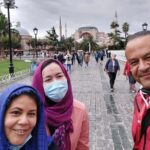
Pickup is available only from these districts: Taksim, Sultanahmet, Fatih, and Besiktas. If your hotel is outside those areas, you’ll need to contact the activity provider for instructions. Before you book, it’s worth double-checking your exact hotel location against those districts so you’re not stuck arranging a separate meeting point.
The minivan also helps you avoid the “start late, end late” problem. Your day begins when the tour starts, not when you finally reach the first major sight. That makes a 5-hour tour feel properly timed.
The route that packs a lot in 5 hours: Hippodrome to Bazaar
The flow is designed like a guided storyline through different eras of Istanbul. You start at the Byzantine Hippodrome, then move forward in time to two of the most famous monuments in the city: Hagia Sophia and the Blue Mosque. After that, you take a break for lunch and a traditional stop for Turkish coffee in an old wooden house, then you cool down with a Roman-era underground water cistern. You finish with a guided walk through the Grand Bazaar.
This order is smart. The Hippodrome gives you context for public spectacle—chariot races and crowds—so when you arrive at the major religious and imperial sites, you’re not just seeing buildings. You’re also understanding what power looked like in each era.
The pace is “busy but not frantic,” with enough structure to keep you moving through the right places. Still, it’s packed, so expect regular walking between stops and a schedule that doesn’t flex much for long breaks.
Byzantine Hippodrome: the chariot-race setup that makes everything else click
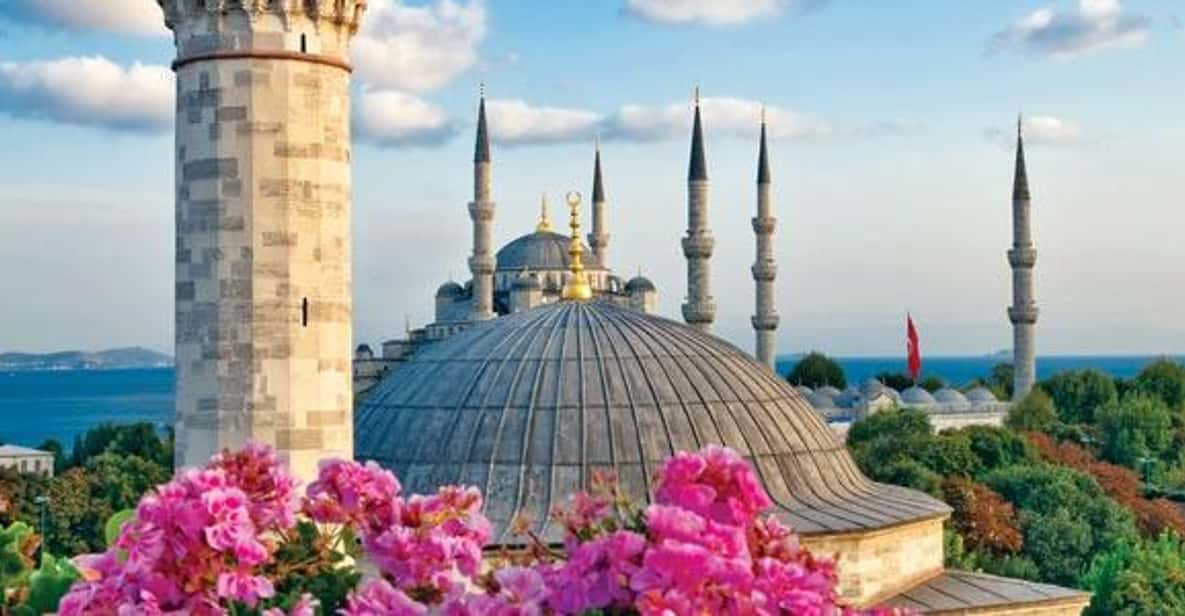
You’ll begin at the Byzantine Hippodrome, the place where chariot races took place in ancient times. Even if you don’t know Ottoman or Byzantine politics, you’ll understand the vibe quickly: this was public drama on a huge scale.
What I like about starting here is that it gives you a mental frame. Instead of treating Istanbul’s monuments as separate museum items, you start seeing how empires used crowds, spectacle, and architecture to project authority. You’re not just looking at stones; you’re linking public life to the monuments you’re about to visit.
It also helps the day feel coherent. The tour doesn’t jump randomly from one site to another. It builds toward the big imperial symbols—then turns into markets and everyday Istanbul at the end.
Hagia Sophia: what to watch for beyond the famous facade
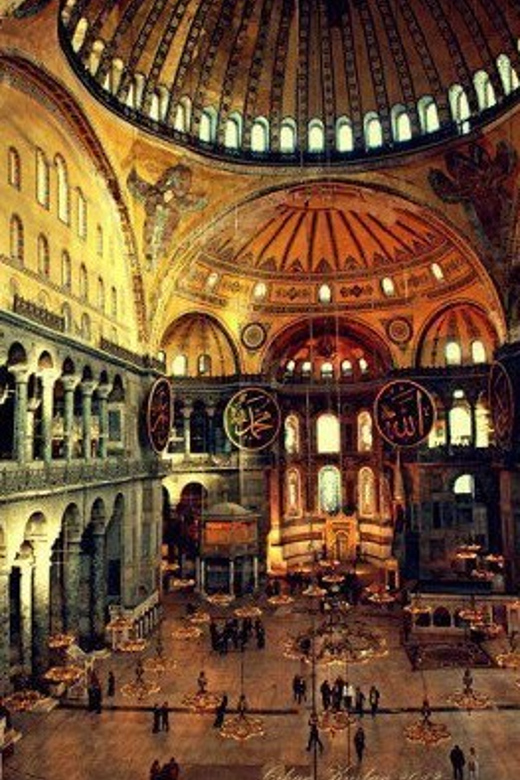
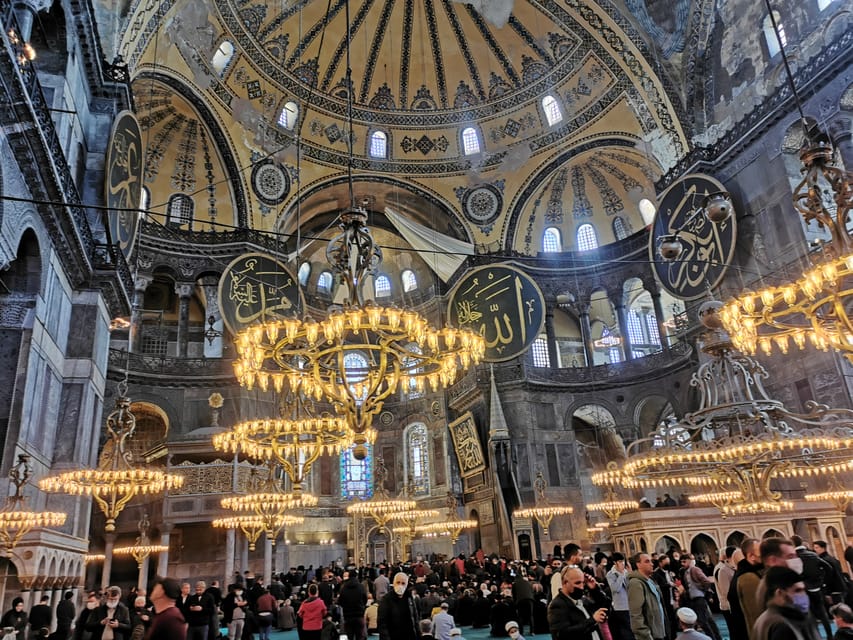
Hagia Sophia is the kind of place where your first reaction is usually size and drama, but the best experience comes from knowing what you’re looking at. With a guide, you get the important context: Hagia Sophia was commissioned by Emperor Justinian to show the greatness of the Roman Empire.
That detail matters. When you understand that it wasn’t built just to be beautiful, but to demonstrate imperial power, you’ll read the building differently. I also find it helps to pay attention to how the space feels—how it holds sound, how the scale overwhelms you, and how it transitions from one kind of visual intensity to another.
This is also where skip-the-ticket-line becomes practical. Hagia Sophia can be crowded and slow-moving. Getting through ticketing faster means you spend more time actually seeing, rather than waiting.
Tip: wear shoes you can stand in for a while. The building is worth lingering in, even when the schedule keeps moving.

Blue Mosque: blue tiles, plus mosque etiquette you’ll want to be ready for
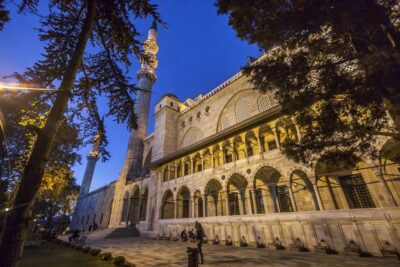
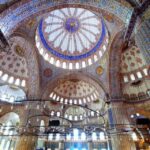
Next up is the Blue Mosque, famous for its astonishing blue tiles. Even if you’ve seen photos, being there in person changes the way the details land—color becomes part of the architecture, not just decoration.
One practical thing you need to know: for women during mosque tours, you need a scarf to cover the hair. If you don’t have one, plan ahead before you get to the mosque. It’s an easy fix, but you don’t want a last-minute scramble in a place with rules.
I like that the tour approach keeps the focus on the right elements. Instead of only catching highlights from the edge, you get guided interpretation that helps you understand why the decoration and design matter.
Also, keep an eye on behavior and dress norms. This is a working religious space. When you treat it with respect and follow the guidance, the visit feels smoother and more rewarding.
Lunch and Turkish coffee in an old wooden house: a break that tastes local
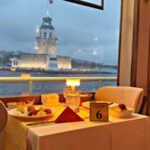
The tour includes a stop for lunch, but lunch itself is not included in the price. That’s a key detail for budgeting. Drinks during lunch aren’t included either, so you’ll want to plan your meal spending in advance.
What I appreciate is that you don’t just eat and move on. The highlights include tasting Turkish coffee in an old wooden house. That’s a more intimate, traditional-feeling pause than a random caffeine stop.
A short coffee break also resets the day. After major monuments, you’ll likely appreciate the slower tempo. It’s a good moment to cool down, rehydrate, and let your brain sort what you just saw before you go underground and then back into the bazaar maze.
Bring a little patience here. Traditional pauses don’t always match modern speed expectations, and that’s often the point.
Underground Roman cistern: the cool, quiet contrast you didn’t expect
After lunch, the tour shifts to a Roman-era underground water cistern. This stop is valuable because it breaks the “surface sightseeing” pattern. You go from domes and courtyards to something hidden, practical, and surprisingly atmospheric.
Even with limited time, the underground cistern helps you connect the dots between empires and infrastructure. Constantinople wasn’t only about monuments; it was about systems—water, storage, and daily function. The underground nature of this visit gives you that reminder fast.
It also tends to feel like a reset. If the mosques and Hagia Sophia have you mentally full, the cistern offers cooler air and a calmer sensory experience. It’s the kind of stop that makes the whole itinerary feel more rounded.
Grand Bazaar with a guide: how to navigate the maze without wasting time
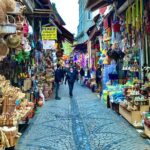
You’ll finish with a discovery of the Grand Bazaar, described as the biggest covered market in the world. It’s full of winding streets and alleyways and covered by domes, so it can feel like you’re walking inside a living labyrinth.
This is exactly where a guided tour matters. If you go in alone, you can end up wandering for a while before you realize you’re far from where you meant to be—or you miss highlights entirely. With a guide, you get direction and interpretation, so your visit turns into “I know where I am and why I’m there,” not just a photo hunt.
Also, the bazaar is part of Constantinople’s story. At the end of the day, after imperial sites, it brings you back to everyday economic life—craft, trade, and the kind of movement that kept cities alive long after empires changed.
The practical tip: keep some flexibility. If you plan to shop, set a rough budget and give yourself a little time to compare. If shopping isn’t your thing, you can still enjoy the architecture and atmosphere without buying anything.
What’s included (and what you still need to pay for)
Included:
- Hotel pickup and drop-off by minivan
- Licensed official tour guide
- Small group limited to 10 participants
- Skip-the-ticket-line
- Live guide available in Spanish, English, French, Italian
Not included:
- Lunch
- Drinks during lunch
- Entrance fees to museums
This package setup is pretty clear: you’re paying for guided movement and access, not for your meals and site fees. As a result, your best value strategy is to keep meal spending simple and be ready for any museum entry charges that apply during the stops.
What to bring so the day runs smoothly
Bring:
- Passport or ID card
- Comfortable shoes
Also think about:
- A scarf if you’re joining the mosque tour as a woman (hair covering is required during mosque visits)
- Light layers, because you may move between indoor spaces and outdoor streets during pickup and walking segments
If you take one small step to prepare, you’ll spend the day sightseeing instead of sorting out basic needs.
Who this tour is best for (and who might want a different plan)
This tour fits you if you want:
- A guided, time-efficient overview of Constantinople’s headline sights
- A small group size that helps the day feel less crowded
- Hotel pickup in central areas
- Less waiting through the ticket line
It may be less ideal if you:
- Want a fully self-paced day with no schedule structure
- Don’t like walking between several major indoor/outdoor sites
- Have strong objections to paying extra for lunch and entrance fees
The sweet spot is travelers with limited time who still want context, not just photos.
Should you book Istanbul: Ancient Town of Constantinople Guided Tour?
Book it if you want a guided, structured 5-hour sweep through the key monuments—Hagia Sophia, the Blue Mosque, a Roman underground cistern, and the Grand Bazaar—plus hotel pickup and skip-the-ticket-line help. The price becomes easier to justify when you factor in transport, a licensed guide, and fewer slowdowns.
Skip it or compare alternatives if your priority is total freedom, or if you’re trying to keep costs extremely tight once lunch and possible museum entrance fees add up. If that’s your situation, you might prefer a self-guided plan where you pick only the sites you want to pay for.
FAQ
How long is the Istanbul Ancient Town of Constantinople guided tour?
The tour lasts 5 hours.
What does the $125 per person price include?
It includes hotel pickup/drop-off by minivan, a licensed official guide, skip-the-ticket-line, and a small group limited to 10 participants. Lunch and museum entrance fees are not included.
Is lunch included?
No. Lunch isn’t included, and drinks during lunch also aren’t included.
Do I get skipped through the ticket line?
Yes, skip-the-ticket-line is included.
Which areas are eligible for hotel pickup?
Pickup is available from Taksim, Sultanahmet, Fatih, and Besiktas districts only.
What guide languages are available?
The live tour guide is available in Spanish, English, French, and Italian.
What do I need to bring?
Bring a passport or ID card and comfortable shoes.
Is a head scarf required for mosque visits?
For the ladies during the mosque tours, a scarf is needed to cover the hair.