REVIEW · ISTANBUL
Fener and Balat – Old Greek & Jewish Quarter
Book on Viator →Operated by My Local Guide lstanbul · Bookable on Viator
Colorful steps lead to forgotten Istanbul corners. This small-group tour sends you into Fener and Balat, where Greek and Jewish heritage still shapes everyday life, then ties it all together with a Golden Horn cruise and a calm tea stop at Pierre Loti.
I love how the walk stays focused on real neighborhoods, not photo spots. I also like the way the guide turns landmarks into stories you can picture in your head, including what you’ll see around Fener Rum Patrikhanesi and the viewpoints over the water.
One consideration: you’ll walk and climb. Hills, tight streets, and cobblestones mean steady effort, and one guest logged about 11,000 steps for the tour alone.
In This Review
- Key takeaways before you go
- Entering Fener and Balat: why this tour feels different
- Meet your guide: the human factor matters
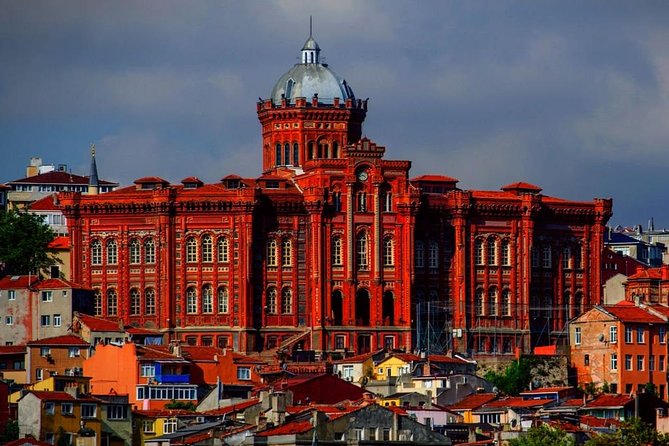
- Stop 1: Fener Rum Patrikhanesi and the Greek Orthodox presence
- Balat: the colorful streets, steep steps, and mixed community feel
- Halic and the Golden Horn walk: where the history lesson clicks
- Bulgarian Orthodox Church: another layer of faith and architecture
- Pierre Loti café: the tea break with a view
- Walking logistics: what you’re really signing up for
- Public transport tips that actually help
- Price and value: is $60.34 worth it?
- Who should book this Fener and Balat afternoon
- Should you book? My take
- FAQ
- How long is the Fener and Balat tour?
- What time does the tour start?
- Where do I meet the guide?
- What’s the maximum group size?
- Is the tour offered in English?
- Is there a mobile ticket?
- Which stops are included?
- Does it use public transportation?
- What’s the cancellation policy?
Key takeaways before you go
- Small group (max 10): easier questions, less waiting, more strolling time in the streets
- Fener + Balat pairing: you see how the Greek and Jewish quarters sit side-by-side in daily life
- Golden Horn focus: a history lesson that lands better when you’re actually looking at the water
- Tea and Turkish treats: simple breaks that make the walking feel manageable
- Public transport help: tram/bus/ferry-style tips so you can keep moving after the tour
- Adaptable pacing: guides have been flexible when someone asked to add sites like the Iron Church
Entering Fener and Balat: why this tour feels different
Most Istanbul itineraries bounce between the same big sights. This one shifts your afternoon toward the city’s older outer western neighborhoods, where you’ll still find residential streets and houses with layers of Ottoman and Byzantine influence nearby.
The best part is the mindset. You’re not just looking at buildings; you’re getting context for why people lived here, how communities mixed, and how the city changed over time. That makes the colored facades in Balat and the religious landmarks around Fener feel personal, not decorative.
The route also makes practical sense. You start in the afternoon, finish back at the meeting point, and spend most of the time walking where you’d otherwise struggle to navigate alone.
You can also read our reviews of more tours and experiences in Istanbul.


Meet your guide: the human factor matters
This tour runs with an English-speaking guide, and the group stays small—up to 10 travelers. That matters because the story is detailed, and you’ll get more out of it if you can ask questions or stop for a better view.
You’ll see the impact in the guides people name in their feedback: Salih, Omar, Önder, Burak, and Barak all come up as thoughtful and engaging. The common theme is that they don’t treat the neighborhood like a museum—they connect what you’re seeing to how people used to live (and still do).
One caution from a lower rating: if your English is limited or you need very slow, simplified explanations, you might find it harder to keep up. In that case, it’s worth knowing that the tour depends heavily on the guide’s narration rather than reading material.
Stop 1: Fener Rum Patrikhanesi and the Greek Orthodox presence
Your first anchor is Fener Rum Patrikhanesi, the Greek Orthodox Patriarchate area in Fener. Even if you’re not a “church architecture” person, this stop gives you a starting point for understanding why this district became so important for centuries.
From here, the tour’s tone locks in: you’ll move through residential areas and notice how everyday life sits beside history. Guides typically use this location to explain the broader “who lived here and why” story—Ottoman-era dynamics, shifting borders, and the way communities maintained identity.
What I like for your planning: starting at Fener Rum Patrikhanesi helps you “read” the neighborhood as you walk. Later, when you reach Balat and the area around the Bulgarian Orthodox Church, those details land faster.
Balat: the colorful streets, steep steps, and mixed community feel
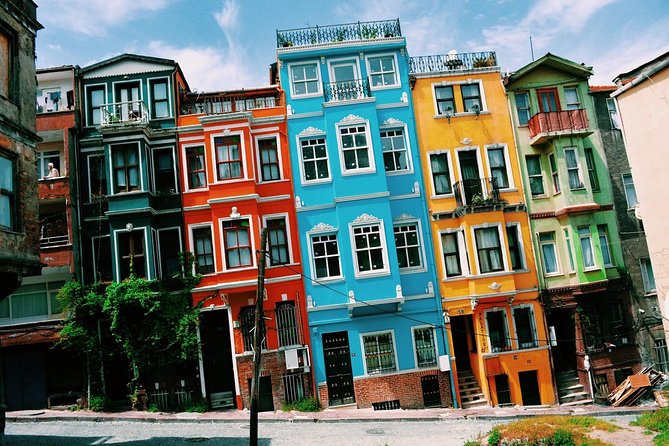
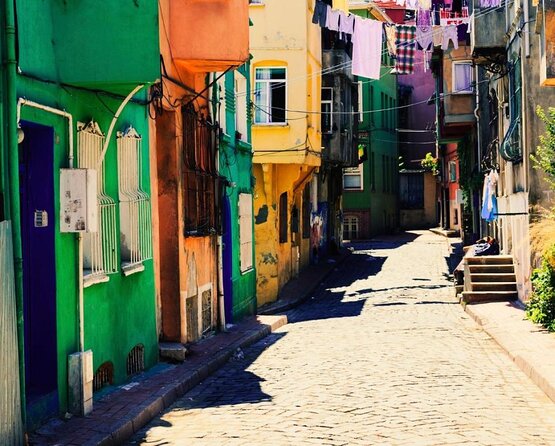
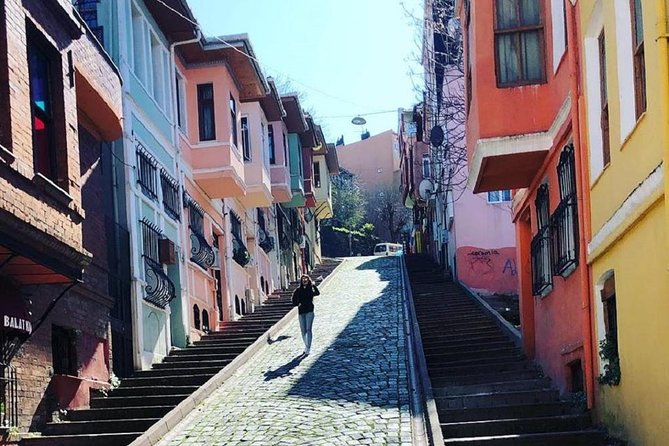
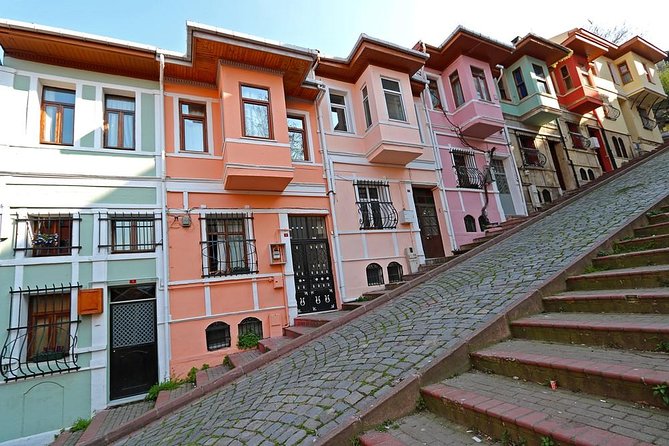
Balat is where many people’s Istanbul imagination finally clicks: colorful houses, narrow lanes, and that feeling of a working neighborhood instead of a set.
You’ll spend time strolling through Balat and the surrounding residential streets, picking up architecture notes along the way—how buildings changed through time and what those changes suggest about the lives inside. The tour also highlights the long history of Jewish, Christian, and Muslim communities living together in the same wider area.
This is also the part where walking rhythm matters. You’ll go up and down hills and deal with steep, narrow streets. One review notes that photography can feel a bit rushed if you want time for slow framing at every corner, so think of it as “see and learn,” not “sit and shoot.”
You may also pause for refreshments in a local café setting. In feedback, people mention homemade lemonade and Turkish treats—small stops that help you keep energy for the next leg.
Halic and the Golden Horn walk: where the history lesson clicks
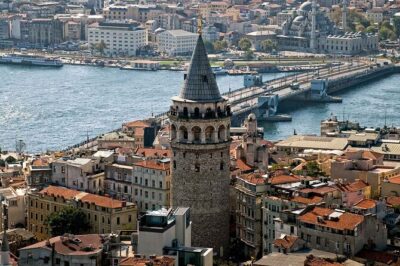
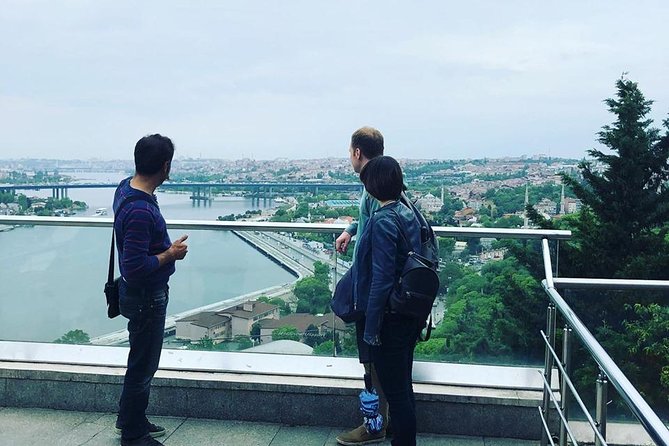
After Balat, the tour shifts your focus toward Halic and the Golden Horn. This is more than scenery. You’ll follow the water and hear a history lesson tied to the fall of Constantinople, with the guide using what you’re seeing to make the timeline feel real.
If you’ve ever had Istanbul history described with no physical reference, this is the fix. Looking at the Golden Horn while someone explains the strategic importance of the area helps you understand why battles, trade routes, and power struggles mattered.
You’ll also get a chance to feel the scale of the shoreline from a walking perspective—less “look at a landmark,” more “understand how the city formed around water.”



Bulgarian Orthodox Church: another layer of faith and architecture
The itinerary includes a visit to the Bulgarian Orthodox Church, which adds a key piece to the religious-and-cultural mosaic of the neighborhoods you’re touring.
This stop is useful because it prevents the tour from feeling like a single-theme walk. Instead, you get a comparison: different communities, different traditions, and distinct architectural choices, all within a relatively compact area.
Even if you only spend a short time inside or right around the church, it’s the kind of stop that gives you better “street reading.” After this, you notice details you might otherwise ignore—style, layout, and what the building signals about community life.
Pierre Loti café: the tea break with a view
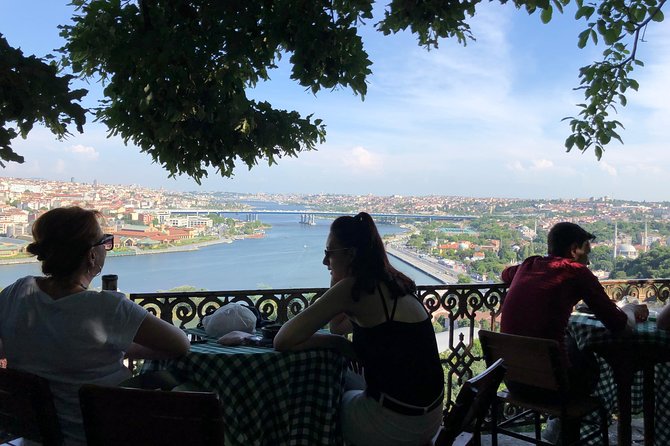
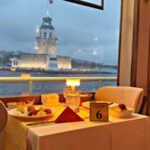
At some point in the afternoon, you’ll make your way to Pierre Loti, a name that fits the tour’s mood perfectly: rest, outlook, and a small pause from the hills.
Expect a tea stop here, and in the feedback people often single out sipping çay with the view. If you end up going on a cooler or cloudy day, this part can feel like a reward that restores you for the last stretch.
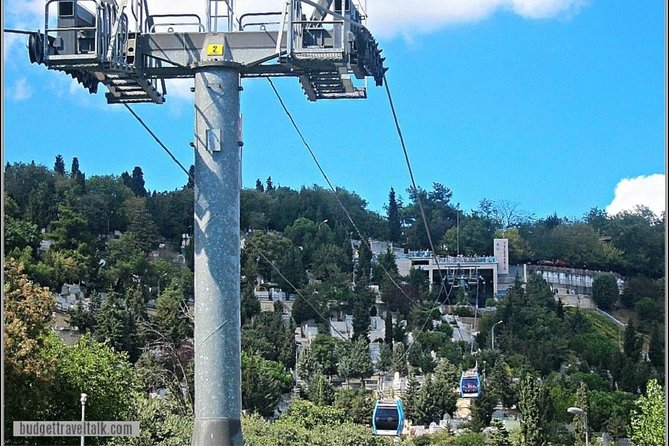
One review also points out that the tour uses different forms of public transport during the afternoon—tram, bus, cable car, and ferry—so the Pierre Loti moment helps you reset your bearings after movement.
Walking logistics: what you’re really signing up for
This tour is a walk. There’s no way around it—steep bits, narrow lanes, and uneven cobblestones.
A helpful benchmark from feedback: about 11,000 steps for the tour alone, with hills. That’s “very doable” for many people, but it’s not the choice if you’re avoiding stairs or struggling with long walking.
Also keep in mind: the tour is small-group paced, not a long, leisurely wander where you can linger for an hour in one place. If your main goal is slow, detailed photography at every corner, plan for a slightly faster feel.
Public transport tips that actually help
One of the less glamorous, most valuable parts of this tour is the guidance on getting around. The guide helps you navigate Istanbul’s system in a way that you can use immediately after the tour.
You’ll get practical transit tips, and feedback mentions help with tram tickets and getting back via metro connections depending on where people were staying. In other words: you’re not just “shown” Istanbul—you’re taught how to move like a local.
This matters because Fener and Balat sit outside the easiest tourist loops. With the guide’s advice, you’ll feel more confident taking tram lines, hopping ferries, or using cable car connections for viewpoints.
Price and value: is $60.34 worth it?
At about $60.34 per person for roughly 3 hours, this isn’t an all-day bargain tour. But it can be good value if you want three things at once: guided neighborhood context, Golden Horn focus, and real transit know-how.
Small group size (max 10) supports that value. You’re paying for time with a guide who connects what you see—religious sites, residential streets, waterfront views—to the bigger story of Istanbul’s past and present.
If you compare this to paying for a few separate entrances plus a private guide, the math usually looks better here. If you hate walking or want a sit-down, low-effort outing, then the price won’t feel as fair—because the product is the walk and the interpretation.
Who should book this Fener and Balat afternoon
This tour is a strong match if you:
- want Istanbul neighborhoods beyond the main tourist core
- like history that explains how communities lived, not just dates and domes
- want a guide to help you navigate with public transport tips
- enjoy street views, architecture, and photo angles from viewpoints like Pierre Loti
It’s less ideal if you:
- need a low-walking option
- want a very slow, ultra-photo-focused pacing
- rely on very simple language and explanations (the narrative is central)
Should you book? My take
If you’re the kind of traveler who wants to understand Istanbul’s “why,” not just its “what,” I’d book this. The Golden Horn timing and the Pierre Loti tea stop turn the afternoon into a complete loop, and the small group size keeps it flexible.
If you’re worried about the climb, treat this like a moderate walking plan: wear good shoes, go in with steady expectations, and you’ll probably find it manageable. If you’re traveling with limited mobility, you’ll want to think twice based on the hills and the narrow streets.
Finally, if this is your first day or first full afternoon in the city, the transit help alone can make the tour worth it. It sets you up to keep exploring afterward without feeling stuck.
FAQ
How long is the Fener and Balat tour?
The tour lasts about 3 hours.
What time does the tour start?
It starts at 2:00 pm.
Where do I meet the guide?
Meeting is at İtimat Fabrika Satış YeriRüstem Paşa, Avrupa Yakası, 34116 Fatih/İstanbul, Türkiye.
What’s the maximum group size?
The tour has a maximum of 10 travelers.
Is the tour offered in English?
Yes, it’s offered in English.
Is there a mobile ticket?
Yes, mobile ticket is included as a feature.
Which stops are included?
The tour includes Fener Rum Patrikhanesi, Balat, Halic, and the Bulgarian Orthodox Church, with time for the Golden Horn and Pierre Loti café/tea.
Does it use public transportation?
It’s near public transportation, and the tour includes public transport tips from the guide during the afternoon.
What’s the cancellation policy?
Free cancellation is available up to 24 hours before the experience start time for a full refund. If it’s canceled due to poor weather, you’ll be offered a different date or a full refund.