REVIEW · ISTANBUL
Colors of Turkey – 8 Days
Book on Viator →Operated by Turkey Tours Company · Bookable on Viator
This tour stitches together the best-known stops in Turkey. Colors of Turkey moves fast, but the payoff is clear: ancient wonders, top Istanbul landmarks, and Cappadocia’s fairy-chimney scenery all in one trip. You’ll also get the comfort of accommodation and transport arranged end to end, so you spend more time seeing and less time figuring out logistics.
What I like most is how it mixes headline sights with actual context from guides at each location. The other big win: you’re not just touring one region—you’re bouncing from Istanbul to Pamukkale/Ephesus and then into Cappadocia, with internal flight tickets included. One possible drawback: it’s a lot of sites per day, and you should plan for extra time and extra costs because many major entrances are not included.
In This Review
- Key Highlights That Matter
- First Stop: Istanbul’s Grand Hits (With Real Religious Logistics)
- Pamukkale and Hierapolis: The Cotton Castle Meets the UNESCO Ruins
- Ephesus Day: Big Ruins, Smart Stops, and One Worth the Detour
- Cappadocia Full-Day: Fairy Chimneys, Valleys, and Viewpoints That Pay Off
- Underground City and Panorama: Cappadocia Without the Just-Views Trap
- Istanbul by Water and Spices: The Bosphorus and Misir Carsisi
- Budget Reality: What You’ll Pay Extra For
- Timing, Clothing, and Walking: Small Details That Make or Break the Day
- Who This Tour Fits Best
- Final Decision: Should You Book Colors of Turkey?
- FAQ
- What’s included in the price?
- Are entrance fees included?
- How does pickup and drop-off work in Istanbul?
- Which days are key attractions closed?
- What do I need for Hagia Sophia?
- What about meals besides breakfast?
- Can the itinerary change?
Key Highlights That Matter
- Guided visits at each major stop so you’re not reading plaques for hours
- Internal flights included, saving you long overland travel time between regions
- Istanbul walking time for places like Sultanahmet and the Grand Bazaar area
- Pamukkale + Hierapolis paired together for both spa landscapes and UNESCO ruins
- Cappadocia valleys plus viewpoints (Devrent, Pasabag, Uchisar, Goreme Panorama)
- Bosphorus by shared boat for an easy way to see Europe and Asia in one go
First Stop: Istanbul’s Grand Hits (With Real Religious Logistics)
Istanbul on this route is mostly the classic Sultanahmet core, which is great because you can walk between world-famous sites. After you arrive at Istanbul Airport, you transfer to your hotel and sleep there—simple start, no sprinting that day.
On day 2, the pace is full. You’ll begin at the Hippodrome, once the sports and public spectacle center of Constantinople. You’ll see the surviving monuments tied to different eras, including the Egyptian Obelisk and the Serpentine Column. Even if you’re not a history nerd, it works as a warm-up: it helps you understand the city wasn’t built in one moment—it layered.
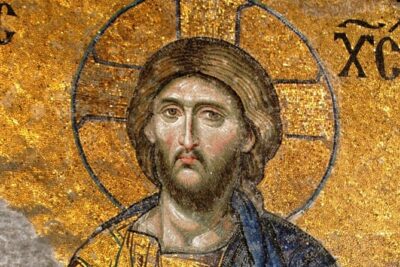
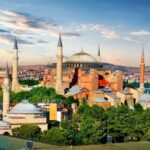
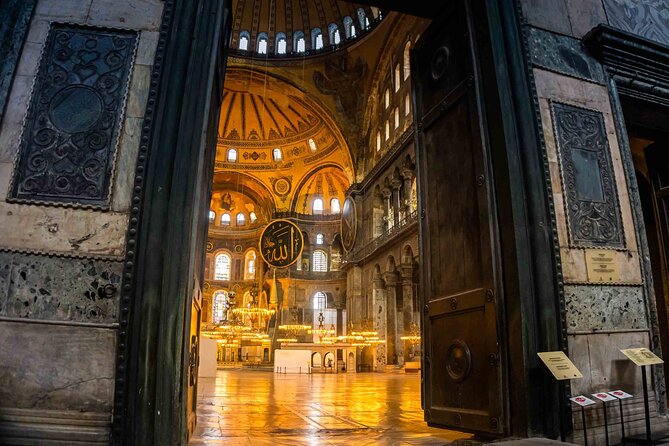
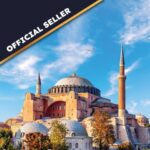
Next comes Hagia Sophia Grand Mosque. You should know two practical things in advance:
- The entrance fee is not included.
- Access can be restricted during praying time, so your timing matters.
Then you’ll visit the Blue Mosque (Sultanahmet Mosque). It’s one of those buildings where details hit you from every angle—especially the stained-glass light and the famous blue-tiled look. One key consideration: it’s closed on Fridays, so if your schedule lands there, the day can shift.
After the mosques, it’s palaces and markets. Topkapi Palace is next—where you’ll see Ottoman-era power through the treasury, relics, palace kitchens, and weapons. Note that Topkapi is closed on Tuesday and the entrance fee is not included. The same idea applies to Hagia Irene Museum (old Byzantine church; closed on Tuesday).
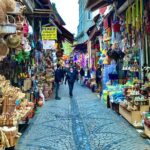
Finally, you finish with the Grand Bazaar. This is where you get Istanbul’s shopping energy: carpets, leather, jewelry, Turkish delight, gold, and even antique tile-style pieces. It’s closed on Sunday, and the “big market” part means it’s crowded—go in with comfortable patience.
Then the tour pivots: after the Istanbul block, you fly to Izmir and connect with your guide for the next region. This is one of the smarter decisions on the itinerary. Flying turns what could be a long slog into a short hop.
You can also read our reviews of more tours and experiences in Istanbul.


Pamukkale and Hierapolis: The Cotton Castle Meets the UNESCO Ruins
Day 3 is where the trip leaves the marble-and-mosque world and goes for something weird and beautiful: Pamukkale. The tour frames it as the “Cotton Castle” because of the white mineral terraces and the famous thermal spa feel. Even if you don’t do a long soak, the area’s visual effect is immediate.
You’ll also get the Roman-era spa-town context. Pamukkale has drawn visitors for centuries, and it’s easy to see why—warm mineral waters and those chalky formations create a place that feels like it belongs in a postcard.
Afterward, you move to Hierapolis (Holy City). This is where the tour earns its “value” points: it doesn’t just stop at the scenery, it adds the UNESCO ruins—especially the necropolis area with sarcophagi tied to notable ancient figures. The setting is built on limestone deposits above mineral springs, which makes it feel more than just “some ruins.” It’s a city shaped by the same natural forces that create Pamukkale.
Practical note: Pamukkale entrance is not included, and it’s one of the sights where you’ll want decent walking shoes and a bit of flexibility with time.
That evening, you head to Kuşadası and stay overnight—an efficient base for the Ephesus day that’s coming next.
Ephesus Day: Big Ruins, Smart Stops, and One Worth the Detour
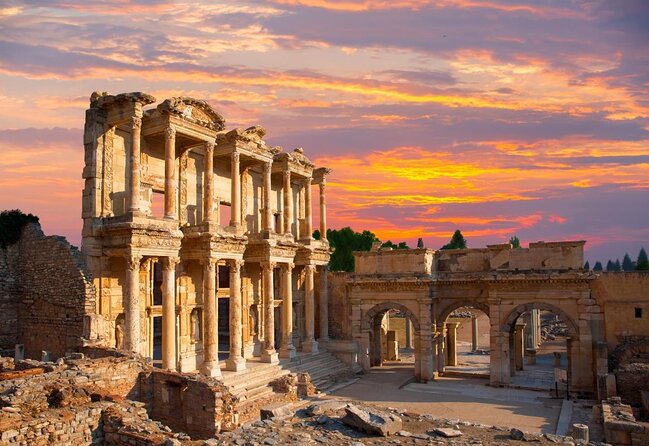
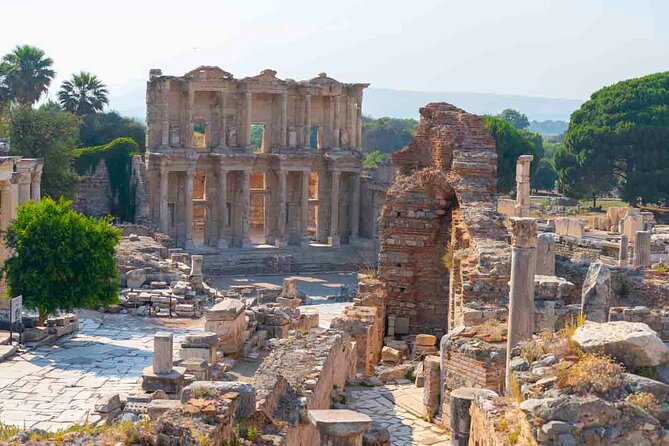
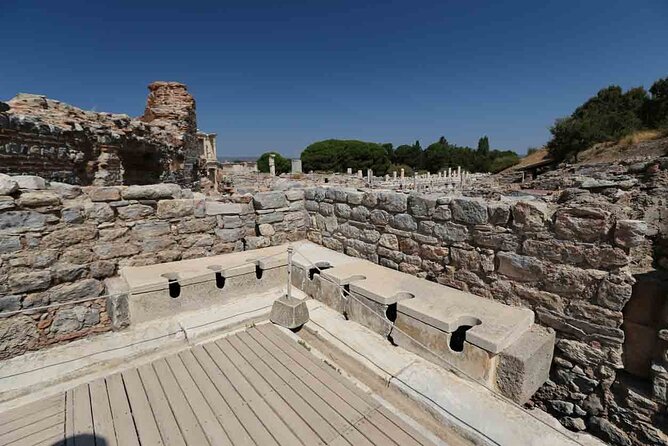
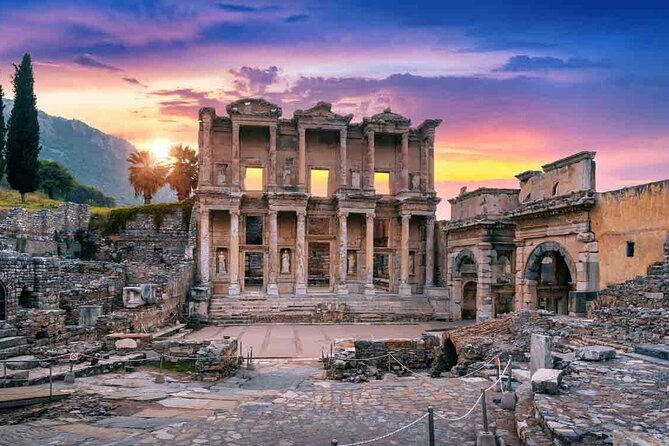
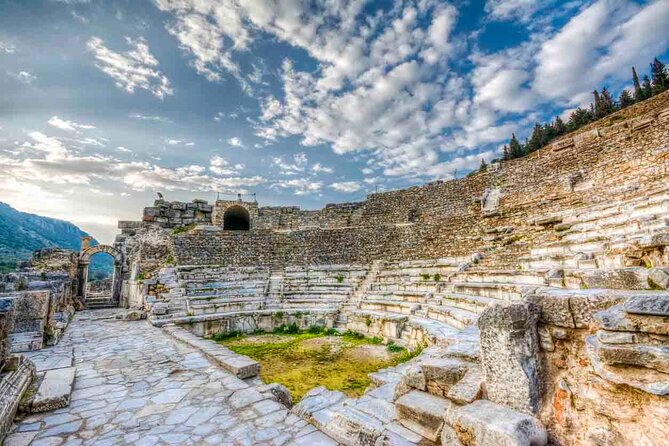
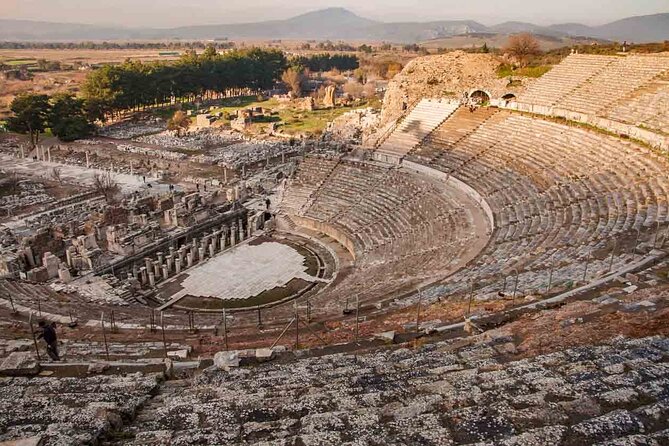
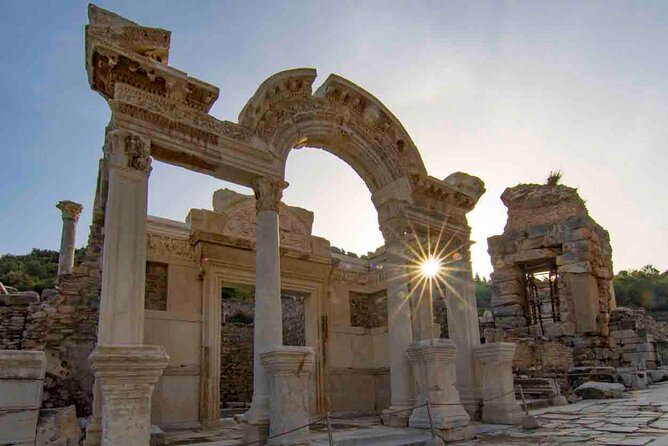
Day 4 is devoted to Ephesus Ancient City, and it’s a top pick on this itinerary. Ephesus was a major Roman-world powerhouse—very large, very busy, and built with marble. Even if you only know it from pop culture references, being there makes it click: the scale is the story.
You’ll see key sights like:
- the amphitheater (over 25,000 seats)
- Hadrian Gate
- the Library of Celsus
- the Marble Street and the Harbour Street
- Nike and other famous areas within the site
The tour also adds quick but meaningful extras nearby, including the Temple of Artemis. It’s a very short stop, but it helps you connect Ephesus to one of the Seven Wonders concept families (even though the original temple is gone, the location and story are the point).
Then there’s a stop that’s more about atmosphere than monuments: the House of the Virgin Mary. It’s located on a hill, described as about 9 kilometers away from Ephesus. The value here is less about architecture and more about a quiet, green setting and the spiritual tone the site creates.
After Ephesus and the Virgin Mary stop, you return to your hotel and stay overnight in Kuşadası—then the tour shifts again, driving to Izmir Airport and flying to Kayseri, with Göreme in Cappadocia as the next base.
One consideration: this day is packed. You’ll want sunscreen, water, and realistic expectations about how much you can absorb while walking under sun.
Cappadocia Full-Day: Fairy Chimneys, Valleys, and Viewpoints That Pay Off
Day 5 is your full-day Cappadocia tour, and it’s built around scenery and photography angles.
You start with Devrent Valley (Imagination Valley). This is where the fairy-chimney formations get playful. You’ll see different shapes carved by time—something that often feels more like a natural art gallery than geology class.
Next is Goreme National Park / Pasabag. Here, the tour focuses on the “most interesting” fairy chimneys—those tall columns that can look like they belong in a storybook. If you’ve ever wondered why people travel halfway around the world for Cappadocia, this is the moment it makes sense.
Then you stop in Avanos for pottery. You’ll have a chance to stop at a local pottery shop and learn how the craft links to survival and art traditions dating back to the Hittite period. It’s also a nice break from only viewing landscapes.
You end with Uçhisar Castle and Pigeon Valley, both geared toward photos. Uçhisar’s viewpoint is a classic “look down over the region” angle, and Pigeon Valley gives you another angle and a chance to see how locals used the pigeon culture in daily life.
Entrance fees for some Cappadocia stops are not included, while a few are listed as separate. Either way, it’s worth budgeting for ticket add-ons.
Underground City and Panorama: Cappadocia Without the Just-Views Trap
Day 6 continues Cappadocia with a different theme: survival history and the “how did people live here” side.
You begin with Kaymaklı Underground City (the listing also references an underground city stop described as Christian defense against invasions). This is where the scenery becomes a lesson. You’ll see spaces people used to protect themselves across difficult times—so the underground design feels practical, not just weird.
Then you visit Sarıhan Caravanserai, described as a 13th-century residence for merchants and their camels. This stop adds trade and travel history, connecting the dots between how people moved across Anatolia long before modern roads.
Next is Goreme Panorama, with an included visit. It’s positioned as a best-photo start point, and it also ties back to Cappadocia’s Christian past through churches and remnants of Christian history. After that, you visit Pigeon Valley again as a viewpoint-style stop, since pigeons historically contributed to local vineyard fertilizing.
Then the day ends with flights back: you transfer to Kayseri Airport, fly to Istanbul, and overnight back in the city.
Istanbul by Water and Spices: The Bosphorus and Misir Carsisi
Day 7 brings you back to Istanbul energy. You should expect at least one morning travel segment returning you to Istanbul if your flight schedule requires it, then the sightseeing starts.
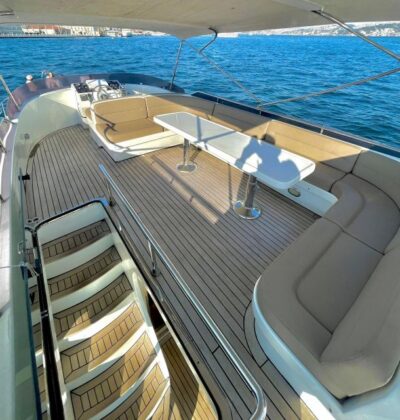
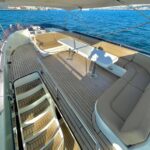
The standout here is the Bosphorus cruise by shared boat. You’ll travel between Europe and Asia, with views tied to landmark palaces such as Dolmabahçe and Beylerbeyi. Even without going inside those palaces, the cruise is an easy way to get the geography right fast.
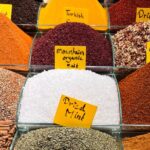
After the water time, you head to Mısır Çarşısı (Spice Bazaar). This is where sensory details do the guiding. The tour describes the overwhelming scent from hundreds of spices and how the market grew beyond only herbs. You’ll see stalls featuring items like Turkish delight (lokum), dried fruit, nuts, honeycomb, Turkish cheese, caviar, and pastırma.
It’s a good place to pick up edible souvenirs. Just keep an eye on what you can legally take home in your luggage. (Rules vary by country, and spices are usually easier than meats.)
Then you return to your hotel and overnight in Istanbul.
Budget Reality: What You’ll Pay Extra For
The headline price is $2,890.40 per person for about eight days. That sounds steep until you compare what’s included. You’re getting:
- accommodations
- 7 breakfasts
- air-conditioned vehicle transport
- internal flight tickets
- guide support at major sites
- mobile ticket
So you’re paying for convenience and time saved. The places that can change your final total are the entrances, tips, and non-breakfast meals.
Entrance fees listed as not included include major sites like:
- Hagia Sophia (25 €)
- Topkapi Palace (2,750 TRY)
- Ephesus (40 €)
- Pamukkale (30 €)
- Göreme Open-Air Museum (20 €)
- Kaymaklı Underground City (13 €)
- House of the Virgin Mary (500 TRY)
- Pasabag (12 €)
Also not included: driver and guide tips (gratuity), and beverages.
If you want the most predictable budgeting, set aside a personal “tickets + tips” envelope before you go. Pay-to-the-guide skip-the-line tickets are mentioned for several sites, which can reduce stress—especially in high-season crowds.
Timing, Clothing, and Walking: Small Details That Make or Break the Day
This itinerary works best if you show up ready for motion.
- Istanbul is a walking tour, so comfortable shoes matter.
- Dress modestly for religious sites.
- For Hagia Sophia, you’ll need to bring your own head covering and headset/scarf (as noted).
- Hagia Sophia access can be restricted during praying time, so don’t expect it to run on a perfect clock.
- Some sights have weekday closures: Blue Mosque is closed on Friday, Topkapi Palace and Hagia Irene are closed on Tuesday, and Grand Bazaar is closed on Sunday. The tour may adjust if your day lands on a closure.
Also: the itinerary might change depending on direct flight timing. That’s not a problem by itself—it’s the reality of multi-city tours. The goal is to keep your schedule flexible in your head, even if your calendar says otherwise.
Who This Tour Fits Best
This is a strong fit if you:
- want a structured route across Istanbul + Aegean ruins + Cappadocia
- prefer having flights and hotels arranged instead of self-planning
- like guided context more than wandering alone
- can handle a day packed with walking and transitions
It may feel less ideal if you:
- hate tight schedules
- need heavy control over food choices beyond breakfast
- are very sensitive to service hiccups (like delayed pickups). On high-cost trips, even small issues can feel bigger.
Final Decision: Should You Book Colors of Turkey?
I’d consider booking if you want maximum coverage with minimal planning pain, especially because internal flights and accommodations are included. The route is built around major “first-time Turkey” landmarks: Hagia Sophia and the Blue Mosque area, Pamukkale and Hierapolis, Ephesus and the Temple of Artemis, then Cappadocia valleys and viewpoints plus an underground city.
Skip it (or at least ask tougher questions before paying) if your trip depends on perfect starts, very specific meal handling, or very slow sightseeing days. This is a tour that expects you to move.
If you do book, go in prepared: bring the Hagia Sophia head covering and headset/scarf, wear comfortable shoes for Istanbul walking, budget for entrance fees, and treat the schedule as busy-but-good value rather than relaxed.
FAQ
What’s included in the price?
The tour includes air-conditioned vehicle transport, internal flight tickets, accommodations, and breakfast for 7 days. You’ll also receive a mobile ticket and an English-speaking guide.
Are entrance fees included?
No. Entrance fees are not included for several major stops, including Hagia Sophia, Topkapi Palace, Ephesus, Pamukkale, Göreme Open-Air Museum, Kaymaklı Underground City, the House of the Virgin Mary, and Pasabag (fees are listed in the tour info).
How does pickup and drop-off work in Istanbul?
Pickup is offered from your central Istanbul hotel at the start, and drop-off returns you to the same hotel at the end of the tour.
Which days are key attractions closed?
Grand Bazaar is closed on Sundays. Topkapi Palace and Hagia Irene Museum are closed on Tuesdays. Blue Mosque is closed on Fridays.
What do I need for Hagia Sophia?
You need your own headset/scarf for covering your head, and entrance can be restricted during praying time.
What about meals besides breakfast?
Breakfast is included. Personal expenses and beverages are not included, and the tour info does not list lunch or dinner as included.
Can the itinerary change?
Yes. The itinerary might change depending on direct flights, so be ready for minor timing shifts. Confirmation is received at booking.