REVIEW · ISTANBUL
Best Highlights of Istanbul: Private Guided Tour 1, 2 or 3 Days
Book on Viator →Operated by City of Sultans · Bookable on Viator
Istanbul starts to click when you have a plan and a guide. This private 3-day tour is built for deeper city time and a flexible day-by-day flow, so you’re not stuck doing the same hurried loop as everyone else. I especially like that it focuses on “big-name” sights while still finding room for the in-between moments that make Istanbul feel like a real place.
The best part is how you can shape the pace with your guide while still hitting the essential stops. I also like the balance of faith and empire landmarks on Day 1, then the water-and-view itinerary on Day 2, and the modern city energy on Day 3. One drawback to plan for: entrance fees and transportation are not included, so you’ll want to budget for tickets and getting between areas.
In This Review
- Key things that make this tour work well
- Why a private guide matters more than you think
- Day 1: Hagia Sophia, Topkapı (or cistern), and the Blue Mosque
- A note on pacing and expectations
- Day 1’s finishing trio: Hippodrome, Grand Bazaar, and Basilica Cistern
- Day 2: Misir Çarşısı, Bosphorus cruise, and the Europe–Asia switch
- Quick geography lesson at Bosphorus Bridge
- Day 2’s palaces: Beylerbeyi on the Asian shore
- Day 3: Dolmabahçe Palace, Taksim Square, and Istiklal Caddesi
- Day 3 skyline hits: Galata Tower and Ortaköy by the water
- Price and value: what $179 gets you (and what it doesn’t)
- Logistics that can make or break the trip
- Who this tour is best for
- Should you book this 3-day private Istanbul tour?
- FAQ
- What is the duration of the tour?
- Is this a private tour?
- What is included in the price?
- Are entrance fees included?
- Is transportation included?
- Can I cancel and get a full refund?
Key things that make this tour work well
- Private guide, not a crowded group vibe: only your party joins this tour, so questions feel easier and timing stays under control.
- Day 1 flex if Topkapı is closed: if it’s closed on your day, the program swaps in Basilica Cistern.
- Bosphorus time is built in: you get a Bosphorus Strait cruise plus viewpoints and a stop near the Bosphorus Bridge for that fast Europe-to-Asia moment.
- Palaces aren’t just listed, they’re explained: you’ll hit Dolmabahçe’s 365 rooms and a heavy-hitter chandelier, plus Beylerbeyi’s 1861–1865 French neo-baroque styling.
- Golden Horn and skyline energy: you’ll reach Galata Tower and the Ortaköy waterfront area for views beyond the museum rooms.
- Markets and street life get time, not just photos: Misir Çarşısı (spices, fruit, fish), plus Taksim Square and Istiklal Caddesi, where the city hum is the attraction.
Why a private guide matters more than you think

Istanbul can feel like you’re constantly rushing: mosques, palaces, towers, bazaars, ferry terminals—everything is close on a map and far in real life. A private guide helps you move with intent instead of just reacting to crowds. You’ll also get context that makes the sights stop being separate postcards and start connecting like a story.
There’s another practical win: your guide can help you think through the order of things in a way that makes sense for your group’s interests. That’s not a luxury when you’re trying to hit major monuments across three days—it’s the difference between a tiring “checklist” and a trip that feels like you’re learning the city instead of racing it.
Finally, the tour is offered in English and uses a mobile ticket, which keeps things simple. You’re not juggling paper confirmations while your feet are busy.
You can also read our reviews of more guided tours in Istanbul


Day 1: Hagia Sophia, Topkapı (or cistern), and the Blue Mosque
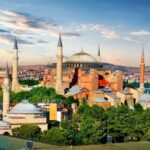
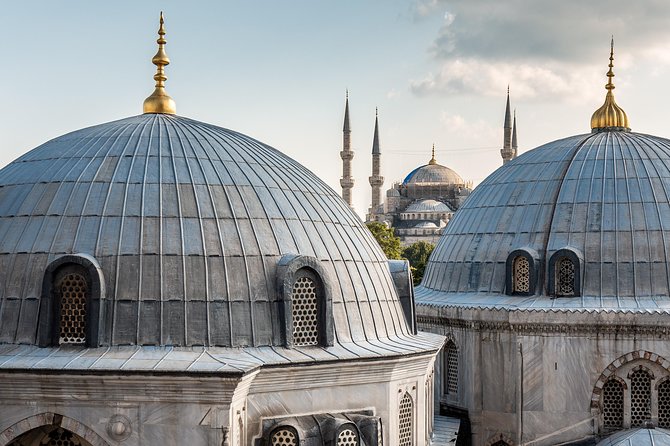
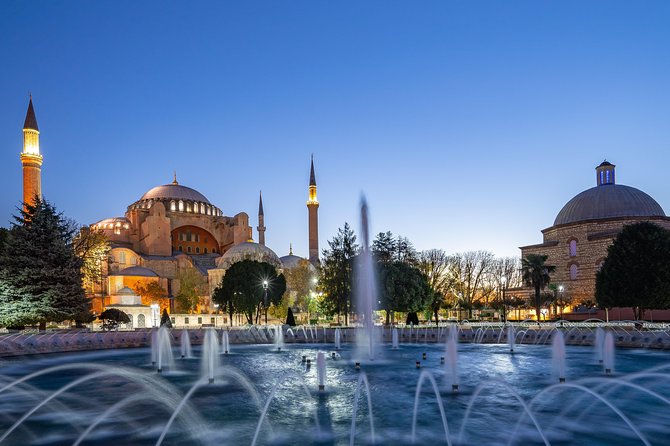
Day 1 is the classic Istanbul “heavy hitters” day, packed in the Sultanate-meets-Byzantium theme. You start at Hagia Sophia Grand Mosque, described as a masterpiece of Byzantine architecture and one of the world’s finest large-scale works. Plan for a full hour here because this place isn’t just big—it’s layered, and you’ll want a moment to understand what you’re seeing before you move on.
From there, you go to Topkapı Palace, the former imperial residence where the Ottoman Empire was ruled. The museum side is known for standout collections like Chinese and Japanese porcelain, plus the famous royal treasury. You’ll get about two hours, which is a solid chunk for palace rooms and key highlights without feeling like you’re sprinting.
Important flex: Topkapı Palace is closed on Tuesdays, and on those days it’s replaced with Basilica Cistern. That swap actually keeps the day balanced, because Basilica Cistern gives you the same “wow” factor—just in a different mood. Instead of courtyards and halls, you get a subterranean atmosphere with those underground marble columns.
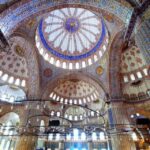
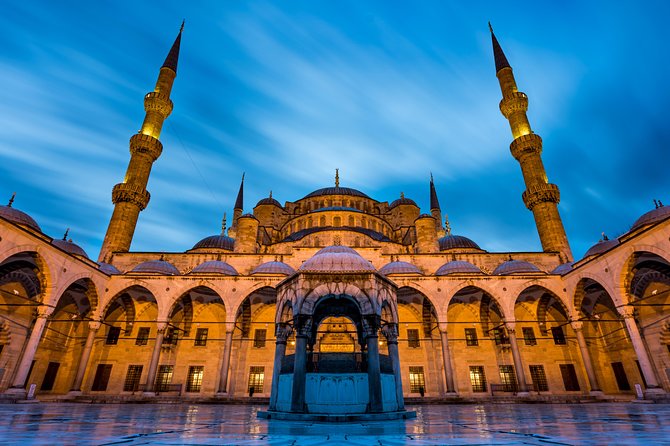
Next is the Blue Mosque—a major skyline feature known for its blue tiles and six minarets. You’ll have about an hour, which is enough to take in the exterior and get a feel for the interior space without turning it into a never-ending stop.
A note on pacing and expectations
This is the kind of day where you’ll spend a lot of time looking up. That’s great if you like architecture and scale, but it’s harder if you prefer slower, neighborhood-walk touring. If you’re sensitive to long indoor time or you hate big crowds, lean on your guide to manage breaks and timing.
Day 1’s finishing trio: Hippodrome, Grand Bazaar, and Basilica Cistern
After the big monuments, the day pivots to Constantinople-era landmarks and street-market energy. You’ll visit Hippodrome, the former sports and political hub of Constantinople. The highlight here is seeing objects tied to different locations, including an Obelisk from Egypt, the Serpentine Column from Delphi, and a fountain of Wilhelm II. It’s a short stop, about 30 minutes, but it’s a good “bridge” between empire stories.
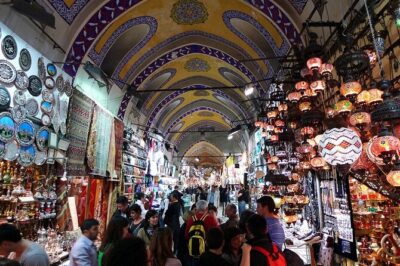
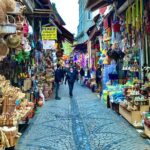
Then comes the Grand Bazaar. You get around 1 hour 30 minutes and it’s designed to cover the point of the bazaar experience without forcing you into hours of bargaining. The bazaar is presented as tempting even non-shoppers, with emphasis on handmade carpets, jewelry, leather items, and souvenirs.
Finally, you finish with Basilica Cistern (about 45 minutes). Even if you didn’t see it as the Topkapı replacement, it still feels like a strong closer because it changes the vibe. You go from sky-high monuments and bustling markets into a cool, underground space built for water storage in the Justinian era.
Day 2: Misir Çarşısı, Bosphorus cruise, and the Europe–Asia switch
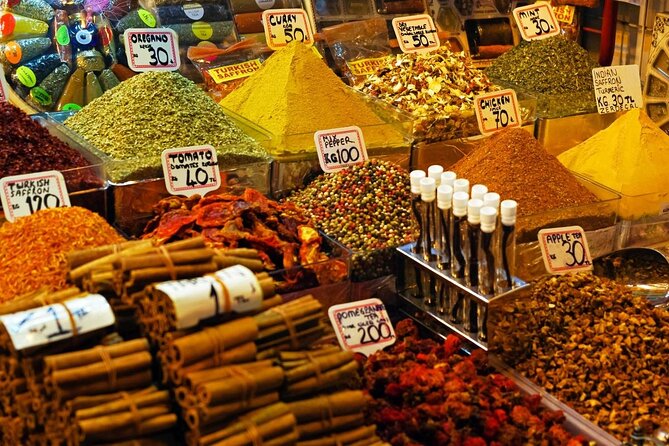
Day 2 is where Istanbul turns into a water city. You start at Misir Çarşısı (also spelled Misir Carsisi), described as a market with strong spice aromas and shops that sell fruit, vegetables, flowers, and fish. It’s about an hour, and that timing is useful because it gives you enough room to browse without feeling like you’re stuck in a maze.
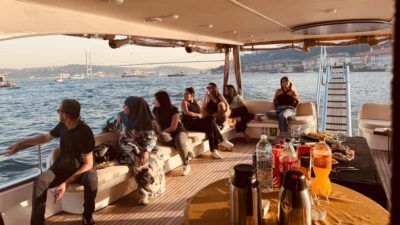
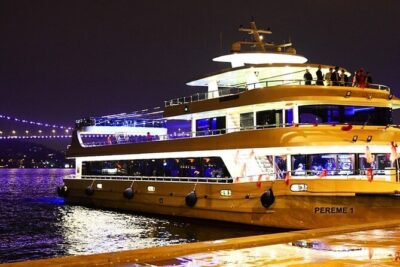
Next is the highlight for many first-timers: Bosphorus Strait cruise. You’ll spend about 1 hour 30 minutes on the waterway separating Europe and Asia, and you get time to photograph marble palaces, Ottoman wooden villas, and modern residences. This is the kind of stop where you stop thinking in lists and start thinking in views.
Then you head to Çamlıca Hill for a panoramic look at Istanbul and the Bosphorus from a top viewpoint. It’s free and timed at about an hour, which is perfect if you want “look mode” without being rushed.
You can also read our reviews of more private tours in Istanbul



Quick geography lesson at Bosphorus Bridge
You also get a chance to step between continents near Bosphorus Bridge. The tour description calls it a unique chance to go from Europe to Asia in about two minutes. It’s short, but it’s fun—especially for groups who like checking off real-world geography moments.
Day 2’s palaces: Beylerbeyi on the Asian shore
After the viewpoints, Day 2 adds an imperial living-space contrast at Beylerbeyi Palace. It’s the summer residence of the sultans, located on the Asian shore in Beylerbeyi neighborhood. What I like here is the specificity: it was ordered by Sultan Abdülaziz and built between 1861 and 1865 by the architects Sarkis Balyan and Agop Balyan, described as Armenian origins. The palace style is noted as French neo-baroque, while the plan keeps a traditional Ottoman house layout.
You’ll have about one hour. That’s enough time to appreciate the “in-between” influence—European taste alongside Ottoman planning—without losing your whole afternoon inside rooms.
Day 3: Dolmabahçe Palace, Taksim Square, and Istiklal Caddesi
Day 3 mixes the grand palace experience with modern Istanbul street energy. You begin at Dolmabahçe Palace, the last residence for Ottoman sultans, noted as having 365 rooms and 22 saloons. It’s also famous for European antiquities and furniture, plus a chandelier weighing 4.5 tons. You get about 1 hour 30 minutes, which is a good balance: enough time to see key interiors and understand why this palace became a symbol of a changing empire.
Then you shift to Taksim Square, described as Istanbul’s most known modern city center, and a hub with hotels, restaurants, and transit links. You’ll have about 45 minutes. This is not a museum stop; it’s where you re-orient yourself and feel how modern the city is compared to the first two days.
After that, you move to İstiklal Caddesi, the famous street that acts like a microcosm of Istanbul. The description notes that about three million people pass it daily, which explains why it can be hard to traverse. It also mentions that chains and fast-food spots are pushing into older shops, but you can still find traces of the Istanbul that existed before mass tourism.
You get about 1 hour 30 minutes here. I’d treat this as your “wander-with-a-plan” segment: walk in smaller loops, check shop windows, and use your guide to point out what’s worth stopping for.
Day 3 skyline hits: Galata Tower and Ortaköy by the water
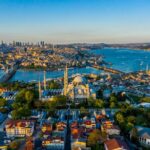
The afternoon finishes with views and neighborhood feel. You’ll go to Galata Tower, positioned near the main junction of the Bosphorus and the Golden Horn. It’s described as cone-capped, visible from many angles, and easy to spot once you’re in the area. The stop is about an hour, and it’s a good way to close a three-day architecture-and-water trip with a skyline-focused viewpoint.
Next is Ortaköy, in the Beşiktaş district on the European side along the Bosphorus Strait, right under the first Bosphorus bridge. The name is explained as meaning “middle village,” because it sat in the middle of the strait during the Ottoman era when it functioned as a fishing village and resort for Ottoman dignitaries. Today it’s still popular with local people and foreign visitors.
It’s about an hour, and it works well as your final vibe shift: you’re not rushing to another interior. You can slow down, take photos, and enjoy that waterfront atmosphere as your trip winds down.
Price and value: what $179 gets you (and what it doesn’t)

At $179 per group (up to 15), the value depends on your group size. If you split among fewer people, the per-person cost rises. If you’re traveling with a larger group closer to the maximum, it becomes much more budget-friendly because you’re paying as one unit for the private professional tour guide.
What you should count on paying extra for: entrance fees and transportation are not included. That matters in Istanbul because many of the biggest-ticket sights here are inside paid sites—palaces, towers, and major complexes. The good news is the tour keeps your time effective with set durations for each stop, so you’re not wandering all day hoping something is open.
If you want the best value, plan for a “tickets budget” early. Think of the tour price as paying for the thinking and the guidance, while entrances are your separate cost for access.
Logistics that can make or break the trip
The meeting point is at German Fountain Binbirdirek on Meydanı Cd, 34122 Fatih/Istanbul. Having a clear start spot is helpful in Istanbul, where directions can feel like a moving target. The tour ends back at the meeting point, which also reduces the end-of-day scramble.
Transportation isn’t included, but the start is noted as near public transit. Practically, that means you have options: you can use transit or taxis depending on your energy level and the day’s walking load. Your guide can keep you moving efficiently inside the day’s schedule, but you’re responsible for the travel between areas outside the provided plan.
One more thing: the tour uses a mobile ticket and confirmation comes at booking. That means less fuss before you show up, which is a real advantage when you’re juggling museum hours and open/closed days.
Who this tour is best for
This is a smart fit if you want three days that cover a lot of ground without feeling like chaos. It’s especially good for people who like architecture, major monuments, and big viewpoint days like Bosphorus cruise and Çamlıca Hill.
It also suits groups who want to ask questions and slow down when something catches their interest. If you prefer ultra-lazy days with long neighborhood meanders and lots of spontaneous detours, you might find this pace a bit structured. Still, the customizable nature helps: you can shape your time around what you care about most.
Should you book this 3-day private Istanbul tour?
Book it if your goal is to understand Istanbul quickly, see the major monuments in a logical flow, and still get real variety across the city—Byzantine/Ottoman landmarks, Bosphorus views, palaces with clear stories, and modern street life.
I’d skip it if you already have a strict plan for tickets and you love independent travel with no guidance. The tour’s real advantage is not just access; it’s the way the day order and context reduce confusion and make the city easier to read.
If you do book, budget for entrances and transportation, wear comfortable walking shoes, and treat the guide like your shortcut to meaning. Istanbul gets easier when you have someone explaining what you’re looking at while you’re moving.
FAQ
What is the duration of the tour?
The tour runs for about 3 days (approx.).
Is this a private tour?
Yes. It’s a private activity with a private professional tour guide, and only your group participates.
What is included in the price?
The guide is included. You also get a mobile ticket. The tour description also notes that it’s offered in English.
Are entrance fees included?
No. Entrance fees are not included.
Is transportation included?
No. Transportation is not included.
Can I cancel and get a full refund?
Yes, free cancellation is offered. You can cancel up to 24 hours in advance for a full refund.