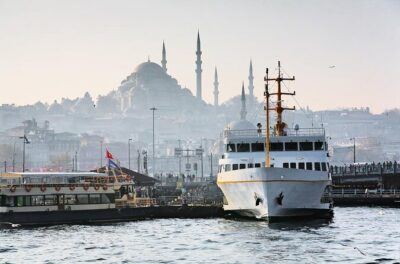
REVIEW · ISTANBUL
Ancient Rome Under Istanbul
Book on Viator →Operated by Experta Tours and Events · Bookable on Viator
Streets above, history below. This tour takes you into Istanbul’s underground Roman and Byzantine layers, where the city’s past is literally built into the ground you walk on. You’ll also get a clear “how and why” explanation for what you’re seeing, from Constantinian connections to Byzantine worship spaces that survived under later Istanbul.
Two things I really like: the focus on ancient cisterns and palace remains, and the way the guide connects architectural clues to real history. You also get a strong contrast day plan: underground archaeology first, then daylight landmarks like Küçük Ayasofya and the Hippodrome area.
One drawback to consider: the experience is more walking and sight-by-sight interpretation than a big, ticketed museum run. And since the start point is in Sultanahmet’s area, you’ll want to plan to reach the meeting spot on time rather than counting on hotel pickup.
In This Review
- Key things to know before you go
- Istanbul’s Underground Rome and the Byzantine City Beneath Your Feet
- Getting to Binbirdirek and Starting on Time (Sultanahmet Area)
- The Underground Portion: Constantine’s Palace, Chapels, and Hidden Cisterns
- What to watch for
- Küçük Ayasofya Mosque: A Short Stop That Explains a Big Design Line
- Consideration
- The Hippodrome to Sultanahmet Square: Where Chariot Racing Still Echoes
- Guides, Small Groups, and the Shop Stop Factor
- Price and Value: What $45 Really Buys in Istanbul
- Logistics: Duration, Walking Comfort, and Mobile Tickets
- Who Should Book This Tour (and Who Might Want a Different Day)
- Should You Book Ancient Rome Under Istanbul?
- FAQ
- Where is the meeting point, and where does the tour end?
- What time does the tour start?
- How long is the tour?
- How much does the tour cost?
- What is included in the tour price?
- Are entrance tickets included?
- Is food or lunch included?
- How many people are in the group?
- Can service animals join?
- What is the cancellation policy?
Key things to know before you go
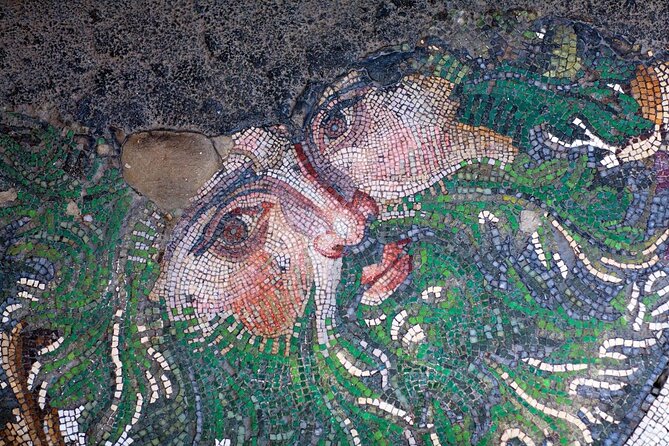
Underground Byzantine layers: You’re tracing Roman/Byzantine remains that live beneath modern streets and buildings.
Constantine’s Palace and cisterns: Expect the day’s “wow” moments underground, not just surface views.
Küçük Ayasofya (Gazi Süleyman Paşa Mosque): A short stop, but it’s framed as an architectural stepping stone toward Hagia Sophia.
Small group size: Max 15 travelers, which usually means more conversation and fewer bottlenecks.
Start location matters: It begins at Binbirdirek in Fatih, and you’ll end back there.
Istanbul’s Underground Rome and the Byzantine City Beneath Your Feet
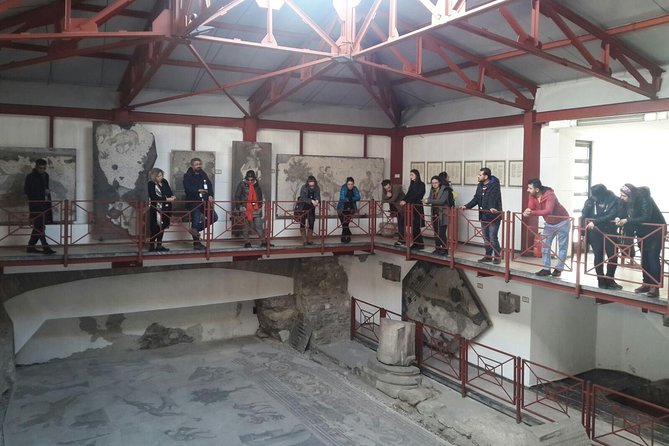
Istanbul has always been a city that rebuilds. Different empires took the same strategic neighborhoods and kept using them. Over centuries, that meant earlier buildings were buried, reused, or left in place while the city grew around them. That’s the core idea of this tour: you don’t just learn about ancient Rome and Byzantium in textbooks. You see it where it actually sits—under hotels, under shops, under the everyday city rhythm.
The best part is how the tour helps you “read” the city. When you’re shown the logic behind Constantine’s-era building projects and the later Byzantine religious spaces, the underground scenes stop feeling random. They start feeling like a map of continuity and change—people praying, governing, storing water, celebrating, and rebuilding as the city evolved.
And yes, this is Byzantine-focused, even though it’s also called a Roman-under-Istanbul experience. That mix is useful: the Byzantine story in Istanbul doesn’t appear out of nowhere. It grows from the Roman groundwork already in the soil.
You can also read our reviews of more tours and experiences in Istanbul.



Getting to Binbirdirek and Starting on Time (Sultanahmet Area)
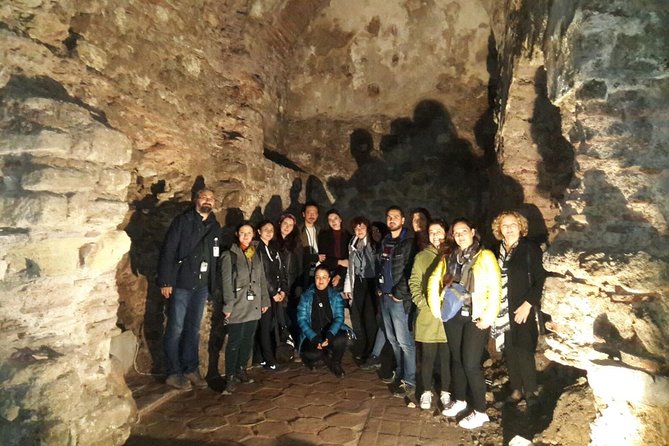
Your meeting point is Binbirdirek, Divan Yolu Cd. No:15, 34122 Fatih/İstanbul. The start time is 10:00 am, and the tour ends back at the meeting point.
Two practical notes that help you enjoy the day:
First, plan to arrive early. With a start in the old-city area, it’s easy to lose 10–20 minutes if you misjudge walking time.
Second, don’t assume a hotel pickup is part of the base price. The meeting point is clearly set, and if you’re staying outside the immediate old-city zone, you’ll want to factor in your route.
Good news: the tour is described as near public transportation, so you should be able to get there without a big taxi expense. Still, show up ready to walk.
The Underground Portion: Constantine’s Palace, Chapels, and Hidden Cisterns
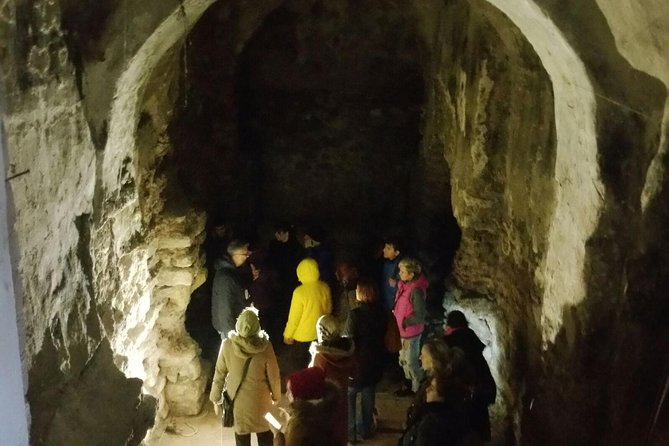
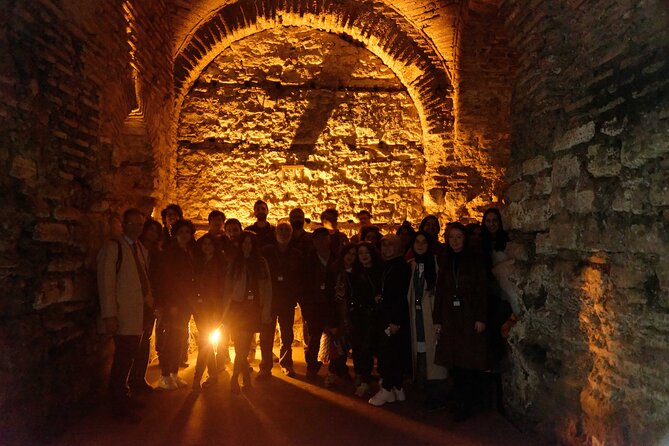
Most of the tour time goes to the underground remains, starting with the Roman and Byzantine ruins beneath modern buildings. On paper it’s listed as a main stop of about 3 hours, and that’s where the tour’s “why Istanbul is underground” theme becomes real.
Here’s what you should expect during this part:
You’ll be guided through remains tied to the Roman-to-Byzantine timeline. The highlights include Constantine’s Palace, Byzantine chapels, and hidden ancient cisterns—all framed as discoveries that are easy to miss when you only look at the street level.
This is also the part that benefits most from a strong guide. In the best versions, guides like Ece bring the spaces to life by explaining what each architectural clue suggests about daily life and belief. Other guides mentioned in past groups—like Ege and AJ—tend to turn the underground walk into a story you can actually follow: how the city managed resources, how power reshaped buildings, and how Byzantine communities left their marks in ways that survived underground.
What to watch for
This is not an underground theme park. It’s real historic fabric in a working city setting. That means you may spend time transitioning between zones, and some segments can feel like “look here, notice this, connect it to that” rather than constant big visual reveals. If you crave nonstop spectacle, you might feel the pace is slow.
Still, if you like history in context—especially water systems, reuse of space, and religious architecture—you’ll usually find this portion the most satisfying part of the day.
Küçük Ayasofya Mosque: A Short Stop That Explains a Big Design Line
Next comes Küçük Ayasofya – Gazi Süleyman Paşa Mosque. This stop is brief (about 20 minutes), but it has real architectural weight.
The tour frames it like this:
- It was once a church.
- It was converted into a mosque.
- It’s presented as a model that helped shape the architectural thinking behind Hagia Sophia.
If you’ve seen Hagia Sophia already, this stop can feel like a missing link. Instead of just admiring a famous building, you’re learning how design ideas traveled and evolved. If you haven’t seen Hagia Sophia, this stop gives you a helpful baseline so the famous landmark makes more sense when you eventually visit.
A good guide makes the difference here. Groups have highlighted guides who can explain details in plain language—like tile and architectural demonstrations on some runs—so you come away with mental pictures, not just names.





Consideration
Because this stop is short, it won’t replace a full architectural lecture. Think of it as a concentrated “ingredient check” that sets up the rest of your city understanding.
The Hippodrome to Sultanahmet Square: Where Chariot Racing Still Echoes
The final landmark stop is the Hippodrome, now around Sultanahmet Square. This segment is listed at about 15 minutes.
Even with a short timeframe, the tour’s framing matters. The Hippodrome is described as:
- the heart of Byzantine chariot racing
- a place for major celebrations
- now a lively square with monuments and market energy around it
What you’ll get is a quick translation between past and present. You stand in a modern public space, and your guide connects what you see now to what it once meant for crowds—movement, competition, political theater, and public ritual.
Is this the deep-archaeology highlight? No. The underground section is the star. But the Hippodrome stop is a useful way to end. It brings you back to street-level reality after all that underground history.
Guides, Small Groups, and the Shop Stop Factor
This tour caps at 15 travelers, which is a big deal for a city like Istanbul. Small groups usually mean less waiting and more time for questions. And the guide isn’t just there to point. Many guides mentioned by name in past experiences—especially Ece—are praised for making the history understandable and for pacing the walk so you can actually absorb it.
Now for something practical: the tour experience can include short breaks that feel like they belong to the neighborhood, not a museum script. Some groups report brief stops for things like tea, plus visits connected to local craft shops. One negative experience complained about a shop time component, while the positive ones praised guides’ explanations during craft demonstrations (like tiles) and the extra context those stops provide.
How should you handle this as a visitor?
- If you’re mainly chasing major monuments, keep your expectations flexible and treat the craft/shop moments as optional “story time” that your guide uses to explain material culture.
- If you truly want zero shop detours, you should ask the guide on the spot how the remaining time will be used.
Either way, the underground focus stays the heart of the tour.
Price and Value: What $45 Really Buys in Istanbul
At $45, this is priced as a guide-led experience with professional interpretation. The big value point is that the key sites listed on the itinerary show admission ticket free for the scheduled stops, and the tour price includes guide time plus taxes and fees.
So you’re not paying primarily for museum entry. You’re paying for:
- access and organization in a complicated city layout
- a guide to translate Roman/Byzantine remains into a story you can follow
- time spent underground and at the key surface anchors
That makes the value much better for the kind of traveler who likes context: architecture, archaeology, and how empires leave layers behind.
Where it can disappoint you is if you expect a long “hands-on monument” circuit. The day is 3 to 5 hours, and while it includes significant underground sights, it’s also built around focused stops and explanation rather than visiting every famous icon in Sultanahmet.
Logistics: Duration, Walking Comfort, and Mobile Tickets
The tour is described as lasting 3 to 5 hours. In practice, that range matters. Some people end up feeling the tour ran closer to the shorter end, especially if they expected a full schedule of multiple major attractions.
To protect your enjoyment, plan for:
- comfortable shoes
- a light, flexible schedule
- water and a snack nearby if you don’t want to wait for a break
Food is not included. That’s straightforward. If you’ll be hungry, plan a simple meal plan before or after. One positive review even suggests grabbing a Turkish coffee for energy during the day. You might find that kind of pace works well for this route.
You’ll also use a mobile ticket. That part is convenient, but it still helps to have your phone charged, especially when you’re meeting in an older neighborhood where cell service can vary.
Who Should Book This Tour (and Who Might Want a Different Day)
This is a good fit if you:
- love Byzantine and Roman history, especially architecture and city planning
- enjoy learning how water systems and reused spaces shaped daily life
- want a guided “why is it like this?” explanation rather than a list of ruins
It may feel less ideal if you:
- want big indoor museum displays with long viewing times
- dislike any shopping or tea-style detours (you can still choose your attitude, but it may be part of the route)
- get frustrated when the day’s schedule feels shorter than you hoped
Also, if language is a concern, choose a departure that’s known for strong guiding. Past experiences include both exceptional communication (with guides like Ece and AJ) and a rare complaint about comprehension. You can’t guarantee perfect language from any tour, so it’s worth going in knowing it’s a guide-led interpretation experience.
Should You Book Ancient Rome Under Istanbul?
I’d book it if you want a smart, efficient way to understand Istanbul’s layered past—especially if you’re fascinated by what’s left underground and how the Byzantine city used Roman foundations. The combination of cisterns, chapels, Constantine’s Palace highlights, and day-ending landmarks like the Hippodrome gives you a complete “layers above and below” story.
Skip it if you only want famous surface monuments and minimal walking. Also skip it if you’re the kind of traveler who needs every minute packed with one major site after another. This tour works best when you’re happy to learn as you go, with the guide doing the heavy lifting of interpretation.
If you do book, come with comfortable shoes, a phone ready for your mobile ticket, and a flexible mindset. This is one of those Istanbul experiences where the reward is understanding—more than checking boxes.
FAQ
Where is the meeting point, and where does the tour end?
You meet at Binbirdirek, Divan Yolu Cd. No:15, 34122 Fatih/İstanbul, Türkiye, and the tour ends back at the same meeting point.
What time does the tour start?
The start time is 10:00 am.
How long is the tour?
It runs for about 3 to 5 hours (approx.).
How much does the tour cost?
The price is listed as $45.
What is included in the tour price?
The tour includes a professional guide and all taxes, fees, and handling charges (local taxes are included too).
Are entrance tickets included?
The itinerary lists admission ticket free for the scheduled stops, and the tour also uses a mobile ticket.
Is food or lunch included?
No. Food and drinks are not included, and there is no lunch provided.
How many people are in the group?
The tour has a maximum of 15 travelers.
Can service animals join?
Yes. Service animals are allowed.
What is the cancellation policy?
You can cancel for a full refund if you cancel up to 24 hours in advance of the experience start time. Canceling within 24 hours does not receive a refund.