REVIEW · ISTANBUL
Aegean Delight 8-Day – Istanbul: Pamukkale, Gallipoli, Ephesus
Book on Viator →Operated by Fez Travel · Bookable on Viator
History and calcareous cliffs meet on this route. I love how the tour front-loads Istanbul’s top sights with guided time at the Blue Mosque, Hagia Sophia, Topkapi Palace, and the Hippodrome. I also like that it pairs that big-city start with real battlefield and ancient-site days at Gallipoli, Ephesus, and Pamukkale. The main drawback to plan for is the long-distance travel: you’ll spend a lot of time on the road, and the final return to Istanbul can feel like a grind.
Pamukkale’s white travertines and Roman-era hot springs are the kind of stop you remember. You also get a lot of “logistics handled” value: airport transfers, air-conditioned transport, entrance fees, 7 nights of hotels, and even a domestic flight between Denizli and Istanbul. Just know hotel quality can vary a bit by room and property, so it helps to keep expectations practical.
In This Review
- Key highlights worth circling
- Aegean Delight 8-Day: where the value really comes from
- Istanbul without the stress: Blue Mosque, Hagia Sophia, Topkapi, Hippodrome
- A quick Istanbul planning tip
- Gallipoli’s WWI sites: Lone Pine, Chunuk Bair, ANZAC Cove
- Comfort note for Gallipoli
- Troy and Behramkale: UNESCO ruins plus an actual village break
- Who this day suits
- Ephesus day: Temple of Artemis site, theater time, museum, and carpet village
- The one caution I’d flag
- Pamukkale and Hierapolis: travertines, hot springs, and Roman-era leftovers
- Best way to enjoy Pamukkale
- The Istanbul return: timing, airport transfer, and last-day fatigue
- A smart flight-window mindset
- Hotels, group size, and the guide-driver impact
- Guide quality is the multiplier
- Shopping stops: leather and carpets, and how to handle the sales energy
- Who should book this tour (and who might not love it)
- Should you book Aegean Delight 8-Day: Istanbul, Pamukkale, Gallipoli, Ephesus?
- FAQ
- What cities does the tour cover?
- How long is the tour?
- What’s included in the price?
- Are lunches included?
- Are entrance fees included for sites like Ephesus and Pamukkale?
- Is there a domestic flight during the tour?
- Do you see ANZAC Cove at Gallipoli?
- What do you do at Pamukkale?
- How big is the group?
- If I need to cancel, is it refundable?
Key highlights worth circling
- Istanbul in one guided hit: Blue Mosque, Hagia Sophia, Topkapi Palace, Hippodrome
- Gallipoli with context: Lone Pine, Chunuk Bair Memorials, ANZAC Cove, trenches and tunnels
- Pamukkale + Hierapolis: travertines, ancient city time, and a hot springs dip
- Troy + Behramkale: the UNESCO site plus a scenic village break
- Ephesus depth without the guesswork: theater, Temple of Artemis site, museum, and carpet village demo
- The route uses a domestic flight (Denizli to Istanbul) to reduce backtracking
Aegean Delight 8-Day: where the value really comes from
For the price point (about $1,979 per person), what makes this tour feel like value is not a single “wow” sight. It’s the way the trip strings together big-ticket places with the practical stuff already lined up: entrance fees, guided time, hotel nights, transfers, and a domestic flight to cut down the worst long-haul bus stretches.
You also get a tour rhythm that suits people who want maximum highlights without building an itinerary from scratch. Most days include guided site time, and the tour uses a fully air-conditioned, non-smoking vehicle plus a ferry crossing between Çanakkale and Eceabat—small details that matter when you’re traveling with limited time.
The trade-off is that this is a “see a lot” style itinerary. If you want long unstructured hours or a slow travel pace, you may feel a bit time-stuffed. The best match is someone who’s happy to swap spontaneity for access and context.
You can also read our reviews of more tours and experiences in Istanbul.


Istanbul without the stress: Blue Mosque, Hagia Sophia, Topkapi, Hippodrome
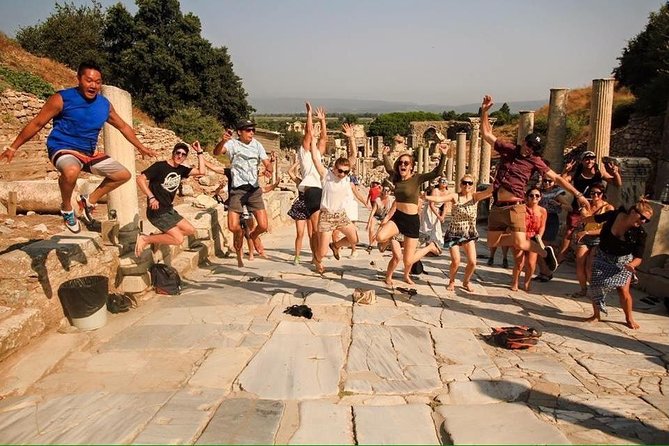
Istanbul day one is low-pressure: you’re met and transferred to your hotel, then the rest of the day is yours. It’s a nice buffer. You can recover from your arrival, pick up essentials, and get your bearings before the guided tour starts.
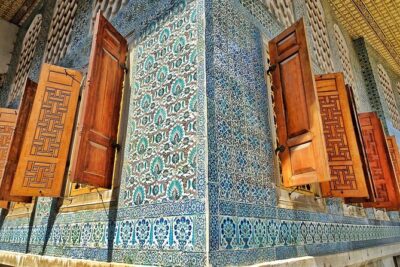
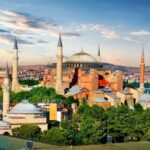
Then the main Istanbul sightseeing day is built around the classic monuments, but with a full guided visit so you’re not wandering and guessing. You’ll see the Blue Mosque, Hagia Sophia (as a Grand Mosque), the Topkapi Palace area, and the Hippodrome. That grouping is smart because these sights are geographically close enough that the day feels connected, not like random errands.
One practical detail I like: the tour includes a 6-hour sightseeing block with admissions included, plus the option of an additional half-day Bosphorus cruise. If you’re someone who likes photos and skyline views, that cruise option is the kind of easy add-on that makes the Istanbul section feel more like a vacation than a checklist.
A quick Istanbul planning tip
If you take the Bosphorus cruise, don’t schedule anything ambitious right before it. Late afternoon light can be great, but it’s still a long day. Give yourself margin for walking, queues, and the occasional “wait while the group regroups” moment.
Gallipoli’s WWI sites: Lone Pine, Chunuk Bair, ANZAC Cove
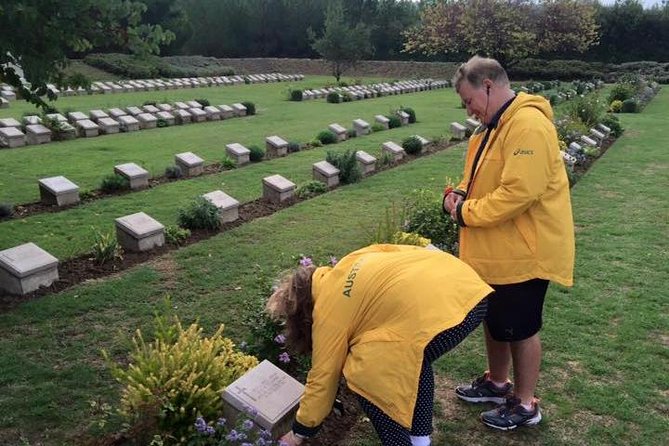
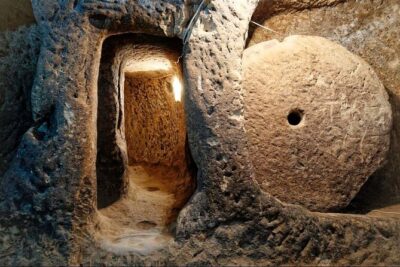
Gallipoli is the tour’s emotional centerpiece. This isn’t the kind of stop where you just look around and move on. The day is centered on World War I battlefields and memorials, including Lone Pine and Chunuk Bair Memorials, plus ANZAC Cove, The Nek, Johnston’s Jolly, and the original trenches and tunnels.
The most valuable part of this kind of guided day is context. You’ll be shown where key events happened and what you’re looking at—so the terrain has meaning. Without that, the landscape can feel like rocks and viewpoints. With it, it hits harder.
It’s also a day that tends to resonate differently depending on your background, since Gallipoli is especially meaningful to Australians and Turks. Even if you aren’t a WWI buff, you’ll likely leave with a clearer sense of why this place is remembered.
Comfort note for Gallipoli
This day is listed as about 8 hours. Wear shoes you trust on uneven ground and bring water. Even if you’re not trekking, you’ll still walk, stand, and look at memorial areas for long stretches.


Troy and Behramkale: UNESCO ruins plus an actual village break
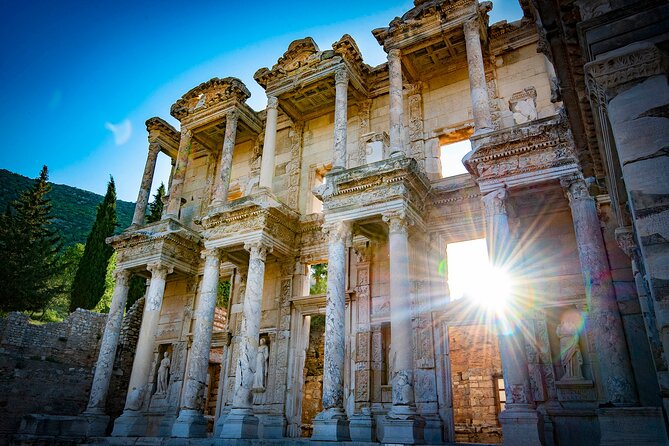
The Troy day balances archaeology with scenery and a small local-town pause. You’ll head from the Çanakkale area toward Troy (Truva), including time at the Troy Museum and the ancient city, a UNESCO World Heritage Site.
Then you shift south to Behramkale, described as an old village with stone houses and narrow lanes. This stop is underrated in tours like this because it’s the first real chance to slow down a bit, look around, and have a Turkish tea or coffee at a local café. It’s not a full cultural immersion day, but it does break up the more intense history-heavy segments.
From there, the day continues toward Kuşadası. Again, it’s a lot of moving. But the Troy + Behramkale pairing makes the bus time feel more “earned,” because you’re not just passing scenery—you’re seeing it from a couple of angles.
Who this day suits
If you like your history with visual context—museums, site viewing, and a bit of atmosphere—Troy fits well. If you want more hands-on time, ask your guide to explain what to look for in the ruins while you’re there.
Ephesus day: Temple of Artemis site, theater time, museum, and carpet village
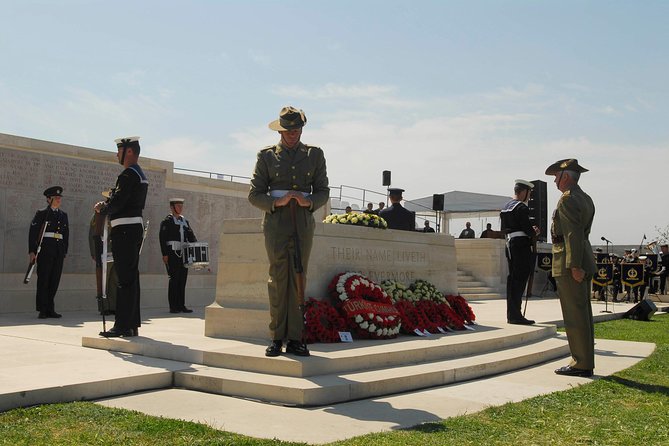
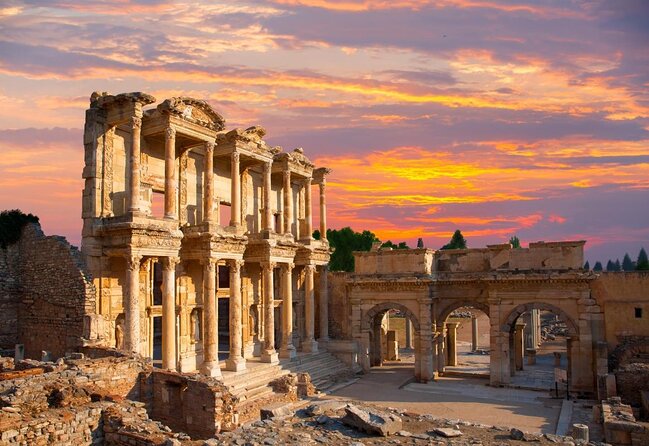
Ephesus is one of those places where “seeing it” and “understanding it” are different experiences. This tour sets you up for both. You get a guided visit to Ancient Ephesus, including the site of the Temple of Artemis, plus the atmosphere of the ancient streets and theater before you move on to the Ephesus Archaeology Museum.
That museum stop is practical. Ruins make you work to imagine what was here. The museum helps you make sense of what you’re seeing by grounding it in artifacts from the region.
Then comes the carpet village segment. You’ll learn how carpets are made by hand and what determines their value. I like this portion when it’s presented as education rather than a high-pressure sales pitch—because it gives you a lens for the craft beyond buying souvenirs.
The one caution I’d flag
Some departures include pushy shopping-style stops. On this route, there are at least two related segments: leather and carpets. If you dislike sales pressure, you can still participate without buying. Go in with the mindset that you’re there for information and craft demonstrations, not to make a purchase.
Pamukkale and Hierapolis: travertines, hot springs, and Roman-era leftovers
Pamukkale is your “fairytale” stop, and the tour uses it well. You go to the white calcium terraces (travertines) and tour Hierapolis, including time around the ancient city. Then you get the chance to take a dip in the hot springs used in Roman times for therapeutic purposes.
This is one of the best days to slow down. The travertines aren’t just pretty—they’re a physical reminder of geology changing over time. And because this day includes both the natural feature and the ancient city, you get a double payoff: scenery plus ruins, without needing separate tours.
Best way to enjoy Pamukkale
Go prepared for wet-and-dry conditions. You may feel tempted to rush for photos, but you’ll enjoy it more if you time your stops so you’re not constantly moving while your feet are tired. Also, bring sunscreen and a hat—this part of Turkey can get hot.
The Istanbul return: timing, airport transfer, and last-day fatigue
The return to Istanbul is efficient in theory: you head back, then you’re transferred to the airport and back in Istanbul to your hotel for last-minute shopping or exploring. But the key word here is “efficient,” not leisurely.
Several past departures describe the last day’s driving time as long—around 10 hours on return days, even when certain stops are skipped. That doesn’t mean it’s unsafe; it means your comfort planning matters.
If you can, pack a small “comfort kit” for the ride: water, a light snack (since lunch isn’t included), a layer for air-conditioned vehicles, and something for eye-level downtime. You’ll thank yourself around hour six.
A smart flight-window mindset
If you’re sensitive to travel fatigue, consider leaving extra buffer in your overall trip schedule. The tour gets you back to Istanbul so you can keep moving, but you’ll still feel the travel.
Hotels, group size, and the guide-driver impact
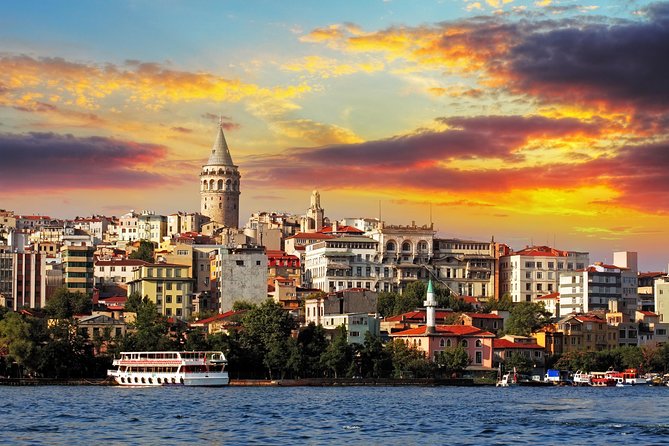
This tour runs with a small group (advertised maximum 20 travelers). Even in departures where the headcount can run a bit higher, the group size is still small enough to feel like a traveling circle rather than a crowd.
The hotel setup is also a big part of the value equation: 7 nights accommodation is included, with air-conditioned vehicle transfers between places. Many guests have praised hotels at the stops, including Colossae Thermal Hotel in Pamukkale, while others have flagged quirks like small rooms, keycard issues, or properties that felt less consistent with expectations.
A real-world takeaway: expect variation. This tour says “7 4-star hotel accommodations,” but what you’ll experience depends on the exact property assigned. If you care a lot about room size or comfort, I’d keep that in mind when you book.
Guide quality is the multiplier
This is a guided tour, and that matters most when the route gets emotionally intense (Gallipoli) or visually complex (Ephesus). Past departures have credited guides such as Huseyin, Hassan, Kivanc, Murat, Metin, and Kevanc for being helpful and careful with safety and group coordination.
One practical warning from prior experiences: sometimes the guide’s English can be hard to follow. If clear explanations are critical for your enjoyment, don’t be shy about asking for clarification during the day.
Shopping stops: leather and carpets, and how to handle the sales energy
There are stops built into the route that involve craftsmanship and product displays—like locally handcrafted leather goods before Pamukkale and a carpet village where you learn how carpets are made.
Here’s how to turn this into a positive experience: treat it like a cultural lesson with a side of retail. You can enjoy the process, look closely at materials, and ask how value is determined. If you hate being pressured, you can also simply browse and pass on purchases.
Past reviews point to some departures having stronger sales pressure than others, so I’d recommend bringing a firm personal rule: decide in advance what you will and won’t buy. That keeps the stop from hijacking your day.
Who should book this tour (and who might not love it)
This tour is best for you if you want a high-coverage Western Turkey week: Istanbul classics, Gallipoli WWI sites, Troy, Ephesus, and Pamukkale in one plan with admissions handled.
It’s also a good fit if you like learning with a guide rather than researching on your own. The day structure is built around guided time, museum stops, and set viewing points—ideal for history-minded travelers.
Where it may not fit as well is if you:
- dislike long bus days and early starts
- want lots of free time at each stop
- are very sensitive to hotel room size or comfort consistency
- hate sales pressure during factory or showroom-style stops
If you fall into those categories, you might still enjoy the route, but you should adjust expectations. This is a “see it all” tour, not a slow, independent wandering trip.
Should you book Aegean Delight 8-Day: Istanbul, Pamukkale, Gallipoli, Ephesus?
I’d recommend this tour if you’re short on time and you want a solid sampler of Turkey’s western highlights without the work of ticketing, transfers, and route planning. The combination of guided Istanbul, Gallipoli’s memorial terrain, Ephesus with museum time, and Pamukkale’s travertines plus hot springs is a strong mix for one week.
Before you book, be honest about your tolerance for transit. The trip covers a lot of ground, and multiple past departures describe fatigue from long drives, especially near the end. Also, keep your “hotel priorities” practical—some properties have been praised, others have had issues worth considering.
If you can handle a busy schedule and you care about context (not just photos), this is a very workable way to experience a big chunk of Turkey.
FAQ
What cities does the tour cover?
The tour starts in Istanbul and ends in Istanbul. Along the way, you visit Gallipoli, Troy, Behramkale, Ephesus, Pamukkale, and the ancient city of Hierapolis.
How long is the tour?
It runs for about 8 days.
What’s included in the price?
Included are airport transfers, a professional tour guide, air-conditioned transportation, car ferry fees between Çanakkale and Eceabat, entrance fees, 7 nights of accommodation, domestic flight between Denizli and Istanbul (passport copies are required), and transfers in Denizli and Istanbul. Breakfast and dinner are marked as optional.
Are lunches included?
No. Lunch is not included.
Are entrance fees included for sites like Ephesus and Pamukkale?
Yes. Entrance fees are included.
Is there a domestic flight during the tour?
Yes. There is a domestic flight between Denizli and Istanbul. You’ll need to send passport copies to book the flights.
Do you see ANZAC Cove at Gallipoli?
Yes. The Gallipoli day includes ANZAC Cove along with Lone Pine and Chunuk Bair Memorials, plus trenches and tunnels.
What do you do at Pamukkale?
You’ll visit the travertines, tour the ancient city of Hierapolis, and have time to take a dip in the hot springs.
How big is the group?
The tour lists a maximum of 20 travelers.
If I need to cancel, is it refundable?
This experience is non-refundable and cannot be changed for any reason. If it’s canceled due to poor weather, you’ll be offered a different date or a full refund. If the minimum number of travelers isn’t met, you’ll be offered a different date or a full refund.