Istanbul first, then cotton-white travertines, Roman ruins, and fairy-tale valleys. This 9-day route strings together big-name sights without leaving you stuck alone. I especially like the way you get real context in Istanbul old-city landmarks and then move fast by private driver to cut down on wasted time.
My other favorite part is the shift from grand monuments to hands-on, sensory travel: soaking in Pamukkale’s mineral pools and spending a night in a cave hotel in Cappadocia. One drawback to plan for: the trip includes domestic flights and long drives, so it’s not a slow-and-linger pace, and a few days involve hills and walking.
In This Review
- Key things that make this tour work
- Istanbul old city at human speed: Blue Mosque, Hagia Sophia, Topkapi
- The Bosphorus cruise: your Istanbul reset button
- Kusadasi arrival and the laid-back seaside interlude
- Pamukkale Cotton Castle: travertines and a mineral-pool stop
- Ephesus: Celsus Library, Grand Theater, and the Artemis stop
- Cappadocia cave hotel: where sleep feels like part of the show
- Cappadocia north highlights: Goreme Open-Air Museum and Dark Church murals
- Cappadocia south: Red Valley hikes, Uchisar panorama, and underground rooms
- Konya’s Mevlana Museum and the Silk Road at Sultanhani Caravanserai
- Returning to Istanbul: a quick farewell day
- Value and price: what $4,129 is really paying for
- FAQ
- What is included in the tour price?
- Are pickups included on arrival in Istanbul?
- Is the hot-air balloon ride included in Cappadocia?
- How much luggage can I bring on the domestic flights?
- Where does the tour start and what time?
- Is this tour private, or do I share with strangers?
Key things that make this tour work
- Private transfers + English-speaking guides keep each day moving and make tickets and routes painless
- Istanbul Old City mix: Blue Mosque, Hippodrome, Hagia Sophia, and Topkapi Palace in one organized flow
- Pamukkale special hot-spring moment in a travertine pool, plus Hierapolis ancient-city time
- Ephesus with the main hits like Celsus Library, Grand Theater, and the Artemis area
- Cappadocia cave stay and church interiors including Dark Church murals
- Optional hot-air balloon planning with limited seats, so you must request early
Istanbul old city at human speed: Blue Mosque, Hagia Sophia, Topkapi
Your tour starts with a straightforward airport pickup in Istanbul, followed by hotel check-in and breathing room. That matters, because Istanbul can feel like a maze right after a long flight. You’re not sent off with a map and a shrug; you get set up, then get to work on the sights.
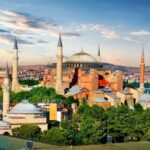
Day 2 is the classic Istanbul day, but it’s built like a guided storyline. You begin with the Blue Mosque, known for the Byzantine-style look, plus its six minarets. Even if you’ve seen photos before, being there in person makes the scale and symmetry feel real, not just postcard-perfect.
Next comes the Hippodrome from the Roman period, a square-level space where multiple monuments sit around the area, including the Knitted Obelisk and the Serpent Column. If you like history you can point at, this stop is satisfying: it ties together the city’s layering, from Roman to Byzantine to Ottoman.
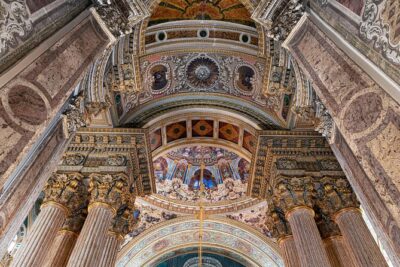
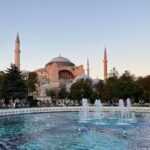
Then you move to Hagia Sophia as a museum stop tied to its Byzantine-era religious architecture. It’s one of those places where the details do the storytelling. You’ll see how the building’s form carries earlier beliefs even after centuries of change.
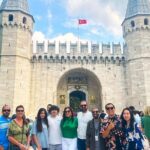
After lunch, Topkapi Palace rounds out the day. It’s described as an imperial palace complex spanning courtyards, gardens, libraries, schools, mosques, and more. The value here is time management. Topkapi can swallow a whole day if you freestyle it. With a guided plan, you focus on the most meaningful sections without feeling like you’re speed-running history.
Practical consideration: this is a long day (the itinerary lists a big chunk of time), so wear shoes you can stand in. Also, Istanbul churches/museums and palaces often have rules about coverings and behavior; follow the guide’s lead for the smoothest entry.
You can also read our reviews of more historical tours in Istanbul
The Bosphorus cruise: your Istanbul reset button
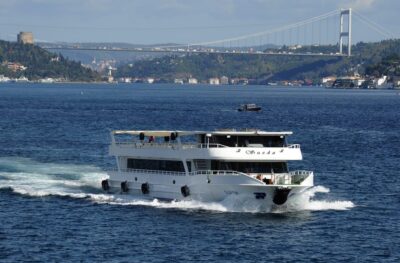
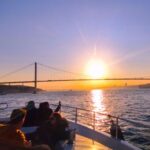
After Istanbul’s big landmarks, you get a Bosphorus Strait cruise. The pacing here is smart. You’ve been in buildings and courtyards; now you get open-air views while someone else handles the logistics.
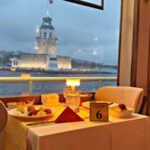
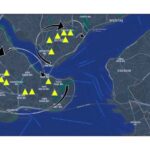
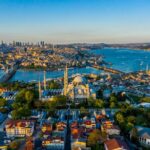
The cruise is listed as about two hours, and you can see highlights on both banks like Dolmabahçe Palace, Bosphorus Bridge, Çamlıca Hill, and various Ottoman-style structures. This is a good moment to get your bearings. Istanbul is an ocean of neighborhoods, but the water helps everything make sense visually.
You’ll also appreciate that the cruise is included with its time buffer, which helps you avoid the usual Istanbul problem: spending half your day in transport while the best views happen when you’re still waiting.
Kusadasi arrival and the laid-back seaside interlude
Day 3 includes a flight from Istanbul to the Izmir area, then transfer to Kusadasi. The afternoon is left for you to explore the seaside town on your own.
This part of the trip is useful because it gives a break from guided marching. Kusadasi is a calmer pause before Pamukkale, where you’ll be out in the daylight and on the move again. You’ll likely find it easier to handle the next long day after having a chunk of free time.
Tip: use the free time to get groceries/water basics and set up a simple daily routine. With a tour like this, small comforts reduce stress later when you’re doing early departures and flights.
Pamukkale Cotton Castle: travertines and a mineral-pool stop
On Day 4, you drive about 2.5 hours to Pamukkale, known for its cotton-white travertine look. The setting comes from mineral-rich hot springs that flow down over time, leaving the layered, milky pools that give the place its nickname.
What I like about this stop is the special arrangement for a hot-spring experience in a travertine pool. It’s one thing to look at the “Cotton Castle” effect from a walkway, and another to actually feel the water. The itinerary specifically invites you to get your swimsuit ready and relax in the mineral-rich hot spring water.
Then you add Hierapolis Ancient City in the afternoon. This is the Roman side of the story: cemeteries, carved Roman stone pillars, amphitheaters, and city gates. It’s a neat pairing: Pamukkale gives you the natural spectacle; Hierapolis gives you the human layers on top.
Practical consideration: plan for a lot of outdoor time. Even in shoulder seasons, sunlight can hit hard. Bring a hat, and think about water shoes or slip-resistant footwear for pool areas, if allowed by on-site rules.
Ephesus: Celsus Library, Grand Theater, and the Artemis stop
Day 5 is a big one, and it’s built around Ephesus, presented as the world’s largest and most well-preserved Greco-Roman city. The drive from Pamukkale to Ephesus is about two hours, which means you arrive and then move through the highlights with a guide.
The list of stops reads like a best-of album:
- Marble Street
- Temple of Hadrian
- Celsus Library
- Trajan Fountain
- Grand Theater, described as able to seat up to 25,000 spectators in peak hours
This is where guided pacing helps. Ephesus is huge, and if you wander solo, you can miss the connections. With an organized route, you get the major landmarks in context.
After lunch you visit the Ephesus Archaeological Museum, which displays relics excavated from the ancient city, including a statue of the Goddess Artemis. Museums are often less exciting than ruins for first-timers, but here it’s useful because you see “what’s left” in a curated way.
Then you visit the Temple of Artemis area, described as one of the Seven Wonders of the Ancient World, with attention to its decoration and scale.
Finally, you stop at the House of the Virgin Mary, tied to tradition that she spent the last five years there. Whether you connect to the religious story or you’re purely there for architecture and atmosphere, it’s a calm closing note after the scale of Roman streets and theaters.
Then the logistics pivot: you fly to Cappadocia via Izmir, arrive, and check into a cave hotel. Having that handoff matters because Cappadocia works differently in your brain once you’re in a rock-carved setting.


Cappadocia cave hotel: where sleep feels like part of the show
Cave hotels are one of those travel choices that sound quirky until you actually see the rooms and corridors carved into rock. In this plan, you get one night here, and that’s enough to make Cappadocia feel like a world of its own rather than just day trips from a hotel.
The itinerary describes the cave hotel check-in and then gives you leisure time for the rest of the day. Use that time for the basics: eat something simple, adjust to the air, and prepare for an early start in the morning.
Cappadocia is also where packing strategy pays off. Domestic flights have luggage limits listed in your tour info—15 kg checked and 8 kg cabin—so avoid heavy extras.
Cappadocia north highlights: Goreme Open-Air Museum and Dark Church murals
Day 6 begins with the Goreme Open-Air Museum, a setting of caves converted into monastic residences and churches. The itinerary notes Byzantine architectural style and murals, and this is exactly the reason people come: the painted interiors make the rock churches feel alive.
You get included access to the Dark Church. The reason it’s special is tied directly to its environment: the lack of light helps murals remain well-preserved. In other words, it’s not just another church stop. It’s a chance to see paintings you can still read clearly in a place that protected the artwork over time.
After Goreme, you head to Avanos, a pottery town. The clay used is from the Red River, and the itinerary includes seeing traditional pottery-making and hearing from skilled artisans about the effort required to keep the craft going. Even if you don’t buy pottery, watching the process is a useful contrast to the ancient-museum days.
Then come the outdoor valley stops:
- Devrent Valley, also called Imagination Valley, with lava rocks shaped like animals—especially a camel-shaped rock
- Pasabag Valley (Monks Valley), famous for tall fairy-chimney stone pillars
- Love Valley, saved for sunset views
This is the day where you’ll feel the rhythm change: less “ticket line, next room” and more walking, looking, and letting the shapes do the storytelling.
Cappadocia south: Red Valley hikes, Uchisar panorama, and underground rooms
Day 7 goes deeper into the rock-carved landscape. You start in Cavusin Village with the Great Basilica, also referred to as St. John the Baptist Chapel, with murals in the rock churches.
Then you get a two-hour hike in Red Valley. The itinerary highlights steep cliffs and multicolored rocks eroded over millions of years. The practical point: bring layers. The hike is outdoors, and the rock colors look best when the light hits at the right angle. You also get a guided explanation that may help you see the colored lines showing relative age.
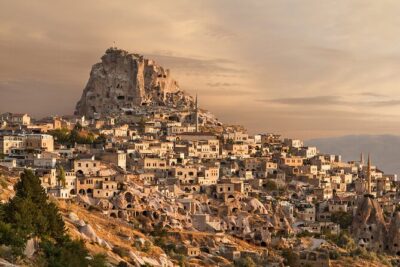
Next is Uchisar Castle, carved from a 60-meter-high boulder. The itinerary mentions climbing to the top for panoramic views. If you’re sensitive to steps or uneven ground, this is where you’ll want to go slow and follow the guide’s pace.
In the afternoon, you visit Pigeon Valley, famous for pigeonholes arranged in dense clusters. The itinerary also notes that pigeons are used as fertilizer for nearby crops and vineyards and mentions that the wines of the region are highly regarded.
You end with Kaymakli Underground City, one of the biggest underground cities in Cappadocia, spanning eight stories and once home to about 10,000 people. The stop is described with vivid guide explanations about how rooms had different functions. Even if underground cities aren’t your top interest, this is a good reality check after all the fairy-chimney beauty. It reminds you people built survival into the rock.
Konya’s Mevlana Museum and the Silk Road at Sultanhani Caravanserai
On Day 8, the tour shifts from Cappadocia’s rock formations to Konya’s spiritual and historic tone. You drive about three hours, then visit the Mevlana Museum. It’s tied to Konya as the birthplace of the whirling dervishes and includes the mausoleum, plus the Semahane (Ceremonial Hall), and displays like musical instruments and rosary beads.
The itinerary also mentions scenes in a wax museum. That’s a nice break from stone and frescoes, and it can help you connect the names and practices to what you’re seeing.
After that, you visit the Sultanhani Caravanserai, a 13th-century Silk Road stop. The value here is how it makes travel history physical: porches, stables, guest rooms, and storage areas for goods and grains. It’s architecture built for movement, which matches this tour’s overall feel.
Then you return to Istanbul by flying out from Cappadocia to Istanbul, with transfer on arrival.
Returning to Istanbul: a quick farewell day
Day 9 is a short, practical finish. You check out before noon and head to the airport with your driver.
That final timing is helpful. You’re not stuck in long lines for a late-afternoon departure, and you end the trip without that classic travel-day exhaustion where you’re sightseeing and transporting at the same time.
Value and price: what $4,129 is really paying for
At $4,129 per person for about 9 days, this tour is not a budget getaway. The value is in how much it handles for you.
From the inclusions, you’re paying for:
- Domestic airfares (Istanbul to Izmir, Cappadocia back to Istanbul)
- Private driver and air-conditioned vehicle
- English-speaking guides across the itinerary
- Entrance fees for the sights listed
- Breakfast included for 8 mornings
- Domestic flight luggage allowances (15 kg checked, 8 kg cabin)
If you tried to DIY this route, you’d spend time coordinating flights, transfers, ticketing, and guide timing across multiple regions. Here, that coordination is the product. You’re also getting “signature stops” in each place: Blue Mosque and Topkapi in Istanbul, travertines and Hierapolis in Pamukkale, Ephesus and Artemis in the Aegean area, and cave churches plus valleys in Cappadocia.
The trade-off is flexibility. This is non-refundable and cannot be changed for any reason, so you’ll want to book only when your dates are firm.
Who should book this tour
This works best for you if you want a structured route through a lot of Turkey’s top cultural scenes without turning your vacation into logistics homework. It’s also a solid choice if you prefer private guiding and rides over public transport and aimless wandering.
You might want to choose a different style if you hate early starts, you dislike flights, or you’re very sensitive to walking on uneven ground. The itinerary includes outdoor hikes and viewpoints, including a two-hour hike and a climb at Uchisar.
FAQ
What is included in the tour price?
The price includes domestic airfares for the Istanbul–Izmir and Cappadocia–Istanbul legs, English-speaking guides, private driver and air-conditioned vehicle, entrance fees for the sights listed, and breakfast (8). It also includes luggage for domestic flights: 15 kilo check in and 8 kilo cabin luggage, plus applicable taxes and service charges.
Are pickups included on arrival in Istanbul?
Yes. A local representative is set to pick you up at Istanbul Airport and drop you at your hotel on Day 1, and transfers are also arranged during the rest of the route.
Is the hot-air balloon ride included in Cappadocia?
A hot-air balloon ride is available, but it is not listed as included in the main package. The information says to let the operator know in advance if you want to take it due to limited seats.
How much luggage can I bring on the domestic flights?
For domestic flights, the tour includes 15 kilo checked luggage plus 8 kilo cabin luggage.
Where does the tour start and what time?
The meeting point is Istanbul Airport, Tayakad in Terminal Street No. 1. The start time listed is 9:00 am.
Is this tour private, or do I share with strangers?
It is described as a private tour/activity, meaning only your group will participate.
Should you book it?
If you want one trip that hits Istanbul’s big icons, Pamukkale’s thermal spectacle, Ephesus’s Roman scale, and Cappadocia’s rock churches and valleys with guides handling the timing, this is a strong match. The price is high, but you’re buying a lot of structure: private transport, domestic flights, guide coverage, and ticketed entrances.
If you can handle some long travel days and you’re good with guided pacing, you’ll likely love how each region changes the mood. If you want maximum freedom, you might prefer a slower, land-only plan. But for many people, this is the cleanest way to see a large chunk of Turkey without feeling lost.