REVIEW · ISTANBUL
8 Day Turkey tour with flights with private option . Express Gold
Book on Viator →Operated by Ephesus Shuttle Private & Small Group Tours · Bookable on Viator
This trip is a fast-track through Turkey’s biggest hits. You get a fully guided loop of Istanbul, Cappadocia, Pamukkale, and Ephesus, with logistics handled so you can spend your energy on sights instead of schedules. I especially like the small-group feel and the way the plan mixes major landmarks with real, day-to-day travel pacing.
Two things I really like: domestic flights are included (so you’re not losing two days to buses), and key entrances are arranged with pre-paid tickets through your guide. The main drawback to consider is simple: it’s still a whirlwind—there’s lots of moving between regions in 8 days, so you’ll want a moderate travel stamina.
In This Review
- Key highlights worth clocking
- Who this Istanbul–Cappadocia–Pamukkale–Ephesus route is built for
- Price and value: what $1,579 is buying you
- Day 1 in Istanbul: airport meet-up and an easy first night
- Day 2: Hippodrome, Topkapi, Hagia Sophia, Blue Mosque, and the Grand Bazaar circuit
- Hippodrome + ancient clues
- Topkapi Palace (weapons section included)
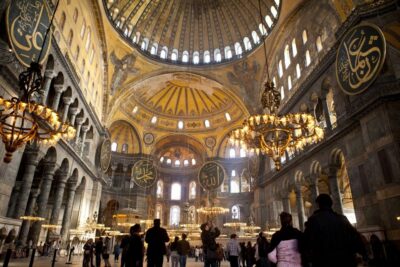
- Hagia Sophia interior visit rules (important update)
- Blue Mosque
- Grand Bazaar: last stop before hotel time
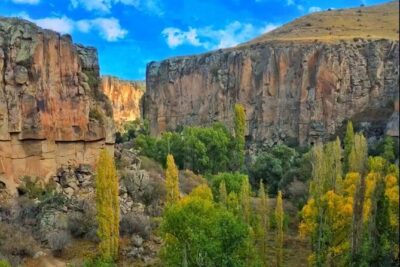
- Cappadocia Day 3: fairy chimneys first, then pigeons and underground history
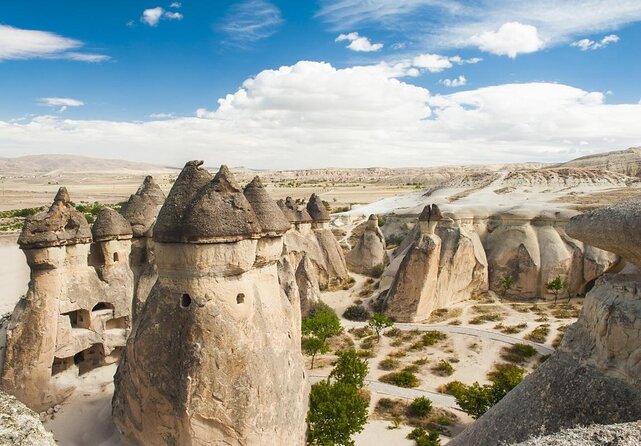
- Fairy Chimneys of Ürgüp: the “postcard” start
- Pigeon Valley
- Kaymaklı Underground City
- Cappadocia Day 4: Pasabag, Avanos, Göreme open-air, and Uçhisar panoramas
- Pasabag Fairy Chimneys Valley
- Avanos for pottery and tile work + lunch break
- Göreme Open-Air Museum
- Uçhisar Castle viewpoint
- Pamukkale Day 5–6: thermal pools, Hierapolis theater, and the white travertines
- En route: Sultanhan Caravanserai + Mevlana Museum
- Thermal hotel check-in + pool access until 22:30
- Day 6: Hierapolis ruins + Pamukkale travertines
- Day 7 Ephesus day: Artemis Temple, ancient streets, and Meryemana before your Izmir flight
- Temple of Artemis
- Ancient City of Ephesus
- Meryemana (Virgin Mary’s House)
- Day 8: off to the airport with private transfer
- What the guides seem to do well (and why that matters)
- Small-group logistics you should plan around
- Should you book this 8-day Turkey tour, or go DIY?
- FAQ
- Which airports does the tour use in Istanbul?
- Are domestic flights included?
- What hotels are included?
- Are entrance fees included?
- What meals are included?
- What should I know about Hagia Sophia interior visits?
- What is the cancellation timeline?
Key highlights worth clocking
- Small-group touring with professional licensed guides (max cap is listed as 10 in the summary, and up to 15 in the program details—check your confirmation)
- Domestic flights included: Istanbul to Cappadocia, then Izmir back to Istanbul
- St. Sophia updated visit method: after Jan 15, 2024, you’ll rely on smart phones/headphones or signage (headphones can be bought on site)
- Thermal time at Pamukkale with a hotel that lets you swim in thermal pools until 22:30
- Ephesus with momentum: Artemis Temple, the Ephesus ruins, then Meryemana (Virgin Mary’s House) before the Izmir flight
Who this Istanbul–Cappadocia–Pamukkale–Ephesus route is built for
This is a best-of Turkey plan for people who want the highlights without turning the trip into a part-time job. The itinerary is designed to give you a thorough overview of Western Turkey—without the constant feeling that you’re constantly behind.
I think it’s a strong fit if you hate planning, don’t want to mess with intercity timing, and prefer one guide to tie the story together. Your physical needs are also stated as moderate fitness—fine for walking old stone streets, climbing to viewpoints like Uçhisar, and touring sites at a steady pace.
One more detail: hotels are described as centrally located boutique and 4-star style in Istanbul and upgraded cave/thermal options in the regions. That matters because you’ll spend less time commuting and more time actually doing the sightseeing.
You can also read our reviews of more private tours in Istanbul
Price and value: what $1,579 is buying you
At $1,579 per person, you’re paying for speed, structure, and mostly everything “unsexy” being handled. What’s explicitly included is the big value story: 7 nights of accommodations, professional licensed guides, two domestic flights, A/C transportation, and entrance fees arranged by your guide.
You also get 7 breakfasts and 2 dinners included. That doesn’t mean every meal is covered, but it reduces the number of decisions you’ll need to make once you’re on the road. On top of that, the plan includes private transfers at key arrival/departure moments, and the guide carries pre-paid tickets to help you skip the line at entrances.
To judge value honestly, the question is whether you’d spend real time and effort assembling this yourself. If your answer is yes—book it; if your answer is no, the included transport and flight segments are likely the difference between a smooth trip and a “wait, what time is this bus?” vacation.
Day 1 in Istanbul: airport meet-up and an easy first night
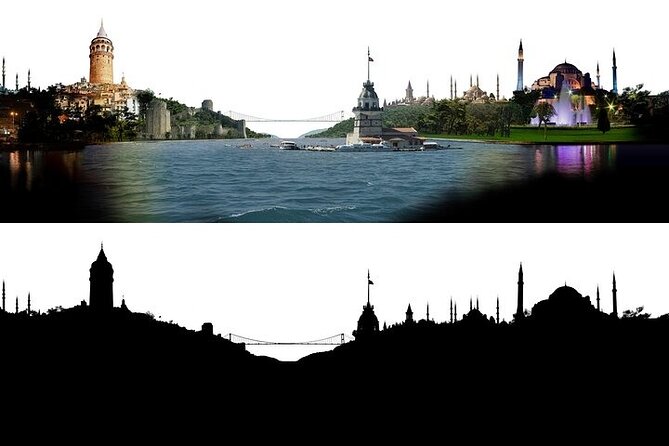
Day 1 is designed to take the edge off arrival stress. You land at Istanbul Airport (IST) or Sabiha Gökcen Airport (SAW), then a representative meets you with your name sign. After a private transfer, you check into a boutique-style Istanbul hotel—Yasmak Sultan or Celal Sultan (or similar).
This matters because Istanbul traffic is real. The tour doesn’t make you figure out how to get from the airport to your hotel after a flight. It also sets you up for Day 2’s packed religious-and-imperial sights.
Your outfit for the next day should be ready for walking: smart casual is the dress code listed for the tour, and you’ll want comfortable shoes for the big sights.
Day 2: Hippodrome, Topkapi, Hagia Sophia, Blue Mosque, and the Grand Bazaar circuit
Istanbul Day 2 is a classic one-day sweep, but it’s organized to keep the movement logical: imperial power, major churches/mosques, then a market reality check.
Hippodrome + ancient clues
You start at the Hippodrome (about 30 minutes), the setting for chariot races and Byzantine-era unrest. Even if you don’t love ruins, this stop helps you understand how Istanbul operated as a power center long before the Ottoman era.
Topkapi Palace (weapons section included)
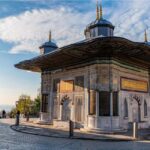
Topkapi is your deep-dive into Ottoman rule—built between 1460 and 1478, with roles as residence, administration, and education. You’ll visit Topkapi including the weapons section (listed as included, about 2 hours).
Hagia Sophia interior visit rules (important update)
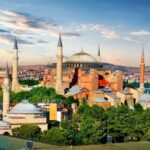
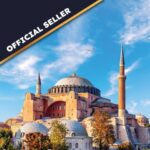
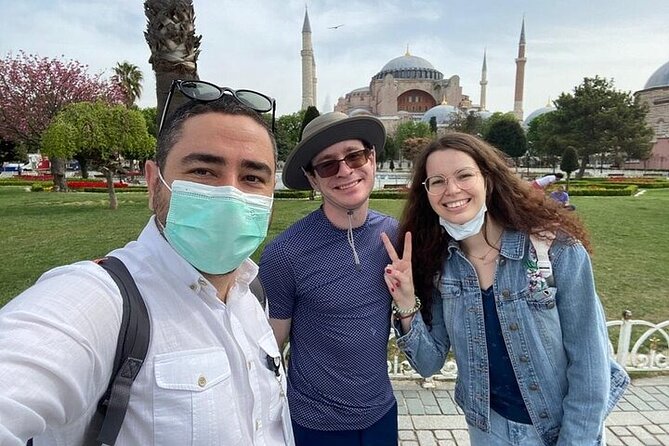
Next is Ayasofya (Hagia Sophia), built in 532 AD under Justinian I. The plan notes a specific change: live guiding is not allowed inside after Jan 15, 2024. You’ll need smart phone + headphones for the on-site audio-style system, or you can buy headphones at the entrance for 3.5 USD. If you don’t have a smart phone/headphones, you’ll follow the signage and information on the walls.
This is one of those practical details that can make or break the visit. If you’re relying on your phone, bring it charged and bring working headphones.
Blue Mosque
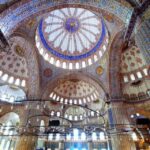
You then pop into the Blue Mosque, famous for its blue Iznik tiles. The stop is listed at about 40 minutes and is free admission—enough time to see the space without burning your whole day.
Grand Bazaar: last stop before hotel time
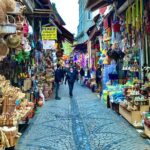
The day ends at the Grand Bazaar, one of the oldest covered markets in the world, with dozens of streets and over a thousand shops. Expect about 1 hour 30 minutes here, then back to the hotel.
If you like shopping, go in with a plan. If you don’t, treat it like a cultural stop and a place to watch everyday Istanbul commerce.
Cappadocia Day 3: fairy chimneys first, then pigeons and underground history
After breakfast, you transfer to the airport for your flight to Cappadocia (Kayseri or Nevşehir). Your guide meets you with your name sign at arrival, then you spend about 50 minutes in the Cappadocia region.
Fairy Chimneys of Ürgüp: the “postcard” start
Your first Cappadocia stop is the Three Sisters Fairy Chimneys in Ürgüp—listed as included. This is where you get your first real sense of the rock formations that shaped daily life here.
Pigeon Valley
Next comes Pigeon Valley. The tour explains why pigeons mattered to local families: people carved pigeon houses into the rock. It’s one of those quietly fascinating stops where you see how humans adapted to a landscape.
Kaymaklı Underground City
The day closes with Kaymaklı Underground City, described as one of the largest and deepest options among Cappadocia’s many underground spaces. You’ll spend about 1 hour 15 minutes underground.
Underground sites can feel intense fast, so pace yourself. Bring water and expect some cool-but-not-magic airflow.
Cappadocia Day 4: Pasabag, Avanos, Göreme open-air, and Uçhisar panoramas
This day keeps the variety rolling: best-known chimney formations, a craft town stop, then the key museum area and the viewpoint that earns the photo.
Pasabag Fairy Chimneys Valley
You visit Pasabağ, famous for mushroom-shaped fairy chimneys—twin and even triple rock caps. Time is listed around 1 hour 15 minutes, and it’s built to show you the most striking examples.
Avanos for pottery and tile work + lunch break
You drive to Avanos, a town linked to pottery and tile workshops. There’s a lunch break here, about 1 hour 30 minutes listed with admission free.
Avanos is a good change of pace from rock churches. Even if you don’t buy anything, you’ll see how local craft traditions still operate.
Göreme Open-Air Museum
After lunch, you hit the Göreme Open-Air Museum with rock churches and frescos from different centuries. This is one of Cappadocia’s anchor stops, with about 1 hour 30 minutes listed.
Uçhisar Castle viewpoint
Finally, you reach Uçhisar Rock Castle, the highest point with big panoramic views (about 1 hour). This is where the day clicks into place: you’ve toured the rocks; now you see them at scale.
You then return to your cave hotel area for overnight.
Pamukkale Day 5–6: thermal pools, Hierapolis theater, and the white travertines
Pamukkale is where the itinerary turns from “buildings and rocks” into “geology and wellness.” Your Day 5 drive is planned with stops en route, and your Day 5 overnight includes thermal time.
En route: Sultanhan Caravanserai + Mevlana Museum
On the way to Pamukkale, you visit Sultanhan Caravanserai, a 13th-century Seljuk masterpiece (about 40 minutes, included). Then the plan includes Mevlana Muzesi (about 1 hour, included). The outline also mentions continuing toward Konya.
This is a good pattern: you’re not just transferring between destinations—you’re breaking the drive with cultural anchors.
Thermal hotel check-in + pool access until 22:30
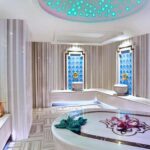
After arriving in Pamukkale, you check into a thermal hotel—listed options include Colossae Thermal or Pam Thermal Hotel (or similar). You get a chance to swim in thermal pools until 22:30.
That time window is a big deal. It gives you a calmer, less rushed option than trying to fit it into daylight hours. If you’re the kind of person who wants a true break after a full sightseeing day, this is built for you.
Day 6: Hierapolis ruins + Pamukkale travertines
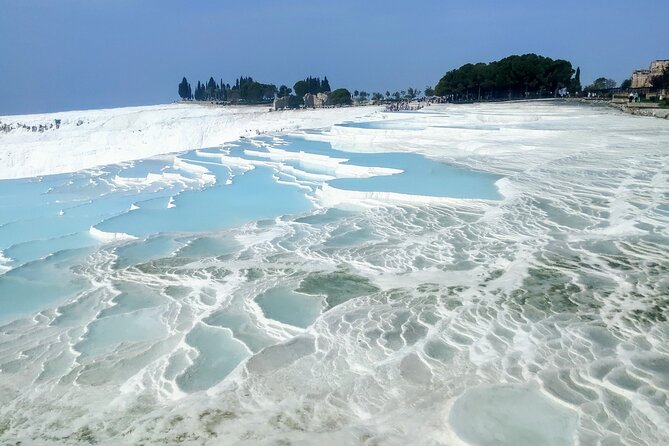
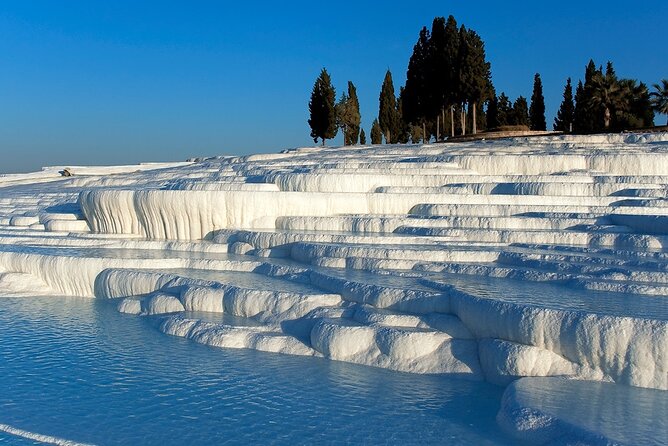
Day 6 starts with a drive to Hierapolis and the travertine terraces. You’ll tour Hierapolis with the theatre, Apollo Temple, and the necropolis. Then it’s on to the travertine terraces at Pamukkale—described as spectacular white mineral cliffs forming natural-looking formations.
You’ll then drive to Kuşadası for overnight (about 3 hours listed). The hotel is Efe Boutique or similar.
Day 7 Ephesus day: Artemis Temple, ancient streets, and Meryemana before your Izmir flight
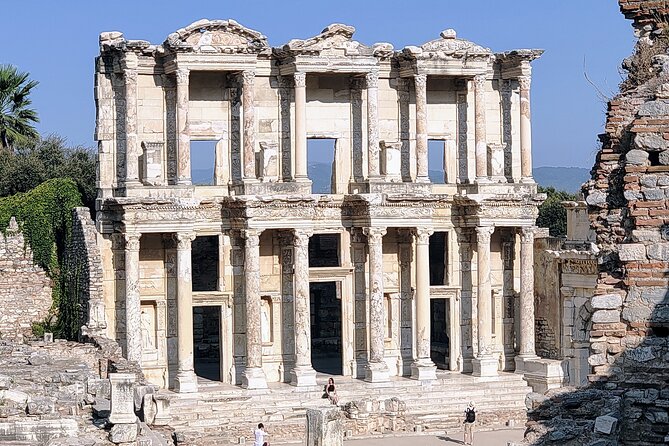
Ephesus is the “make-or-break” day for many people, and this plan doesn’t waste it. You drive about 25 minutes to the Ephesus region, then run a clear sequence: Artemis, the main city, and then the Virgin Mary’s House.
Temple of Artemis
You start with the Temple of Artemis, noted as one of the seven wonders of the ancient world (about 20 minutes, free admission).
Ancient City of Ephesus
Next is the big one: the Ancient City of Ephesus (about 2 hours, included). You’ll walk past major highlights such as the State Agora, Odeon, Memnius Monument, the Library of Celsus area, the Great Theatre, and more listed points across the site. The time here matters. It’s enough to see the layout and understand how the Romans expanded the city to hold tens of thousands in the theatre.
If you want photos, bring a bit of patience. Ephesus is a working “archaeology open air” space, not a single-shot museum.
Meryemana (Virgin Mary’s House)
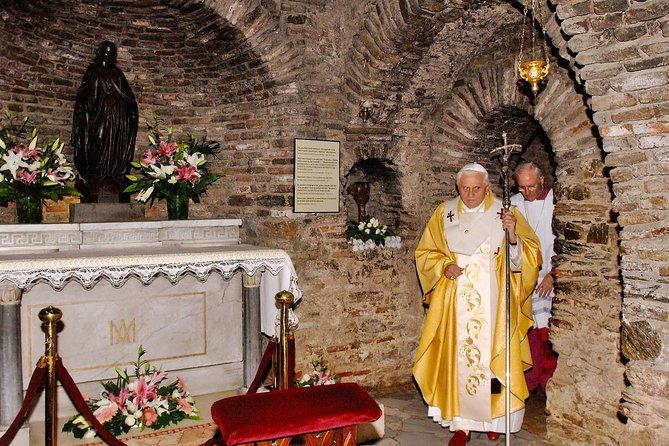
After Ephesus, you visit Meryemana (the House of Virgin Mary) on the Aladag Mountains, described as about 5 miles from Ephesus. The outline includes a history timeline tied to early church tradition and later pilgrimage status, with a specific note about Pope Paul VI visiting in 1967.
Then the schedule moves fast: you drive to Izmir airport for your flight back to Istanbul.
One thing I appreciate in the way this is planned: you get a religious/spiritual counterpoint to Ephesus before your travel day ramps up again.
Day 8: off to the airport with private transfer
On Day 8, you check out after breakfast and get a private transfer to Istanbul airport based on your flight time. That final day is intentionally light. It’s also your buffer for any last-minute flight changes without the stress of hunting down transport.
What the guides seem to do well (and why that matters)
This tour leans hard on guided interpretation, and the feedback you provided backs up that idea. I’m using that as a practical signal, not hype: guides are named in the notes—Cenk Cengiz, Tez, and others such as Fevzi, Gürkan, Waes, and Ogze—with consistent praise around personalized service, good pace, and helpful on-the-ground choices.
One practical example mentioned: a suggested lunch stop during an Ephesus-focused day, including fresh local cuisine. That kind of guidance matters because it keeps your free time from turning into wasted time.
Also, since major sites include rule updates (like Hagia Sophia’s audio setup), having a guide who handles the flow helps you avoid small technical mistakes.
Small-group logistics you should plan around
A few details from the tour terms are worth highlighting because they affect your day-to-day comfort.
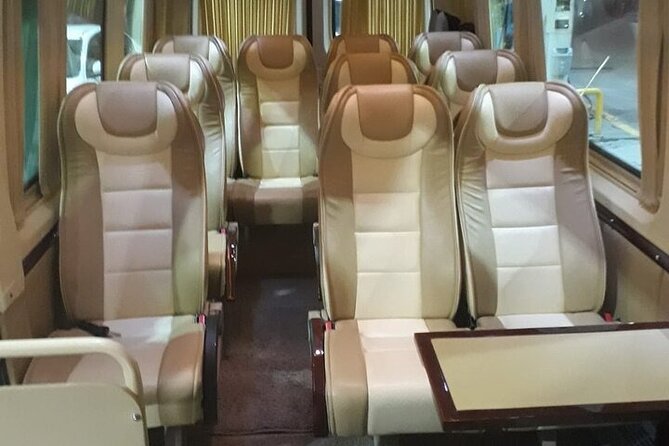
- Transportation is by A/C NO SMOKING vehicle.
- Domestic flights include 15 kg check-in and 8 kg cabin allowances.
- You’ll use mobile tickets and you’ll have pickup offered (plus private transfers at airports).
- The tour can run in reverse order depending on flight availability, including a stated note about Saturday arrivals shifting Istanbul touring to the end of the week.
That reverse option is useful if you’re comparing flight deals. Just make sure you look at the exact day order in your confirmation so you know where your flight segments land.
Should you book this 8-day Turkey tour, or go DIY?
Book it if you want the big sights—Istanbul + Cappadocia + Pamukkale + Ephesus—with flights, hotels, entrances, and daily guidance arranged for you. This is especially worth it if you value the small-group approach and don’t want to coordinate multiple modes of transport yourself.
Skip it (or consider a lighter version) if you know you get tired fast from packing, early starts, and long travel days. Even with good pacing, it’s still an 8-day sweep across four major regions.
My practical rule: if you’d rather spend your time inside historic sites than in airport check-in lines or reading bus schedules, this plan is built for you.
FAQ
Which airports does the tour use in Istanbul?
You’ll arrive at Istanbul Airport (IST) or Sabiha Gökcen Airport (SAW). The tour includes a representative meet-up at the airport with a name sign and a private transfer to your hotel.
Are domestic flights included?
Yes. Domestic flight tickets are included for Istanbul to Cappadocia and Izmir to Istanbul, with stated baggage allowance of 15 kg check-in and 8 kg cabin.
What hotels are included?
In Istanbul, the listed boutique hotels are Yasmak Sultan or Celal Sultan (or similar). In Cappadocia, the listed cave hotels are Melekler Evi Cave Hotel (or similar). In Kuşadası, it’s Efe Boutique (or similar). In Pamukkale, it’s Colossae Thermal or Pam Thermal Hotel (or similar).
Are entrance fees included?
Yes. Entrance fees are included, and your guide will have pre-paid tickets to skip the line.
What meals are included?
The tour includes 7 breakfasts and 2 dinners. Other meals and any drinks are not included.
What should I know about Hagia Sophia interior visits?
Live guiding isn’t allowed inside after Jan 15, 2024. You’ll need smart phones and headphones for the audio-style system, or you can buy headphones at the entrance for 3.5 USD. If you don’t have a smart phone/headphones, you’ll follow signage and provided information.
What is the cancellation timeline?
You can cancel up to 6 days in advance for a full refund. A 50% refund is available if you cancel 2–6 full days before the experience starts, and there’s no refund for cancellations less than 2 full days before the start time.